Brutalism: The Unexpected Interior Design Trend
Brutalism: The Divisive Design Trend Making a Comeback
Known for its raw, unfinished aesthetic, brutalism is a design movement that first emerged in the 1950s. Characterized by exposed concrete, blocky forms, and a minimalist approach, it's a style that has historically divided opinion. But in recent years, brutalism has been experiencing a resurgence in popularity, finding its way back into interiors, architecture, and even product design.
The original brutalist movement was born out of post-war austerity, embracing functional, utilitarian designs. Buildings and interiors were stripped back to their essential elements, showcasing the honesty of materials and construction. Concrete, in particular, became synonymous with the style, offering a cost-effective and durable solution for rebuilding after wartime destruction.
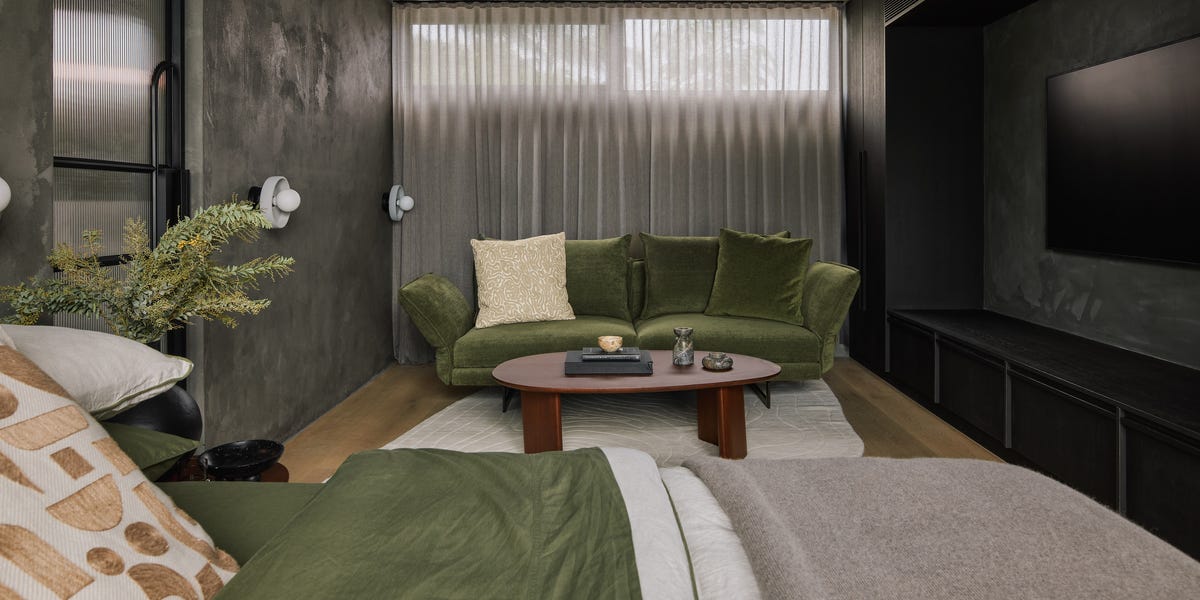
Today's brutalism, however, takes on a more refined and curated approach. While still emphasizing raw materials and strong geometric shapes, contemporary brutalist interiors incorporate softer textures, warm color palettes, and curated furniture pieces to balance the hardness of concrete and create a more liveable space. Think textured rugs, plush velvet sofas, and warm wood accents alongside exposed concrete walls and industrial lighting.
One of the key aspects of modern brutalism is the focus on natural light. Large windows and open-plan layouts are favored to maximize natural illumination, counteracting the potential coldness of concrete. This also helps to create a sense of spaciousness and airiness, preventing brutalist interiors from feeling too heavy or oppressive.
Brutalism's emphasis on simplicity and functionality also aligns perfectly with the current minimalist trend. By paring back unnecessary ornamentation and focusing on essential elements, brutalist interiors achieve a sense of calm and order. This minimalist approach extends to furniture and decor, with clean lines and simple shapes taking center stage.
While the raw, unfinished aesthetic of brutalism may not be for everyone, its resurgence in popularity speaks to a growing desire for authenticity and simplicity in design. By embracing honest materials and functional forms, brutalism offers a powerful antidote to the excesses of overly decorated spaces, creating interiors that are both visually striking and enduringly stylish.