
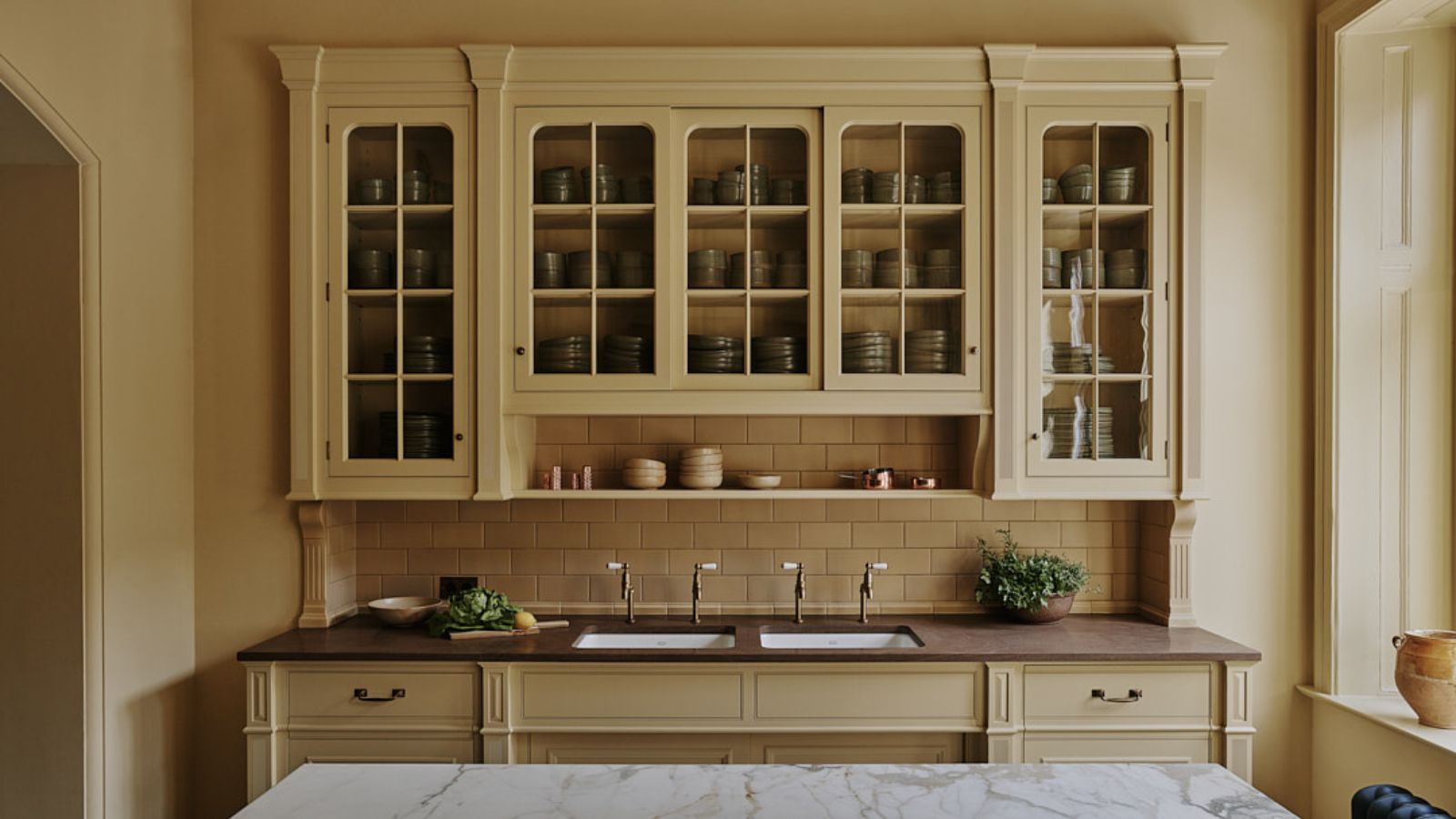
Designing a Colorful Yet Timeless Kitchen
How to Design a Colorful Kitchen That's Timeless
Color is a powerful tool for setting the mood and feel of a space. In the kitchen, where we spend a considerable amount of time, it plays a crucial role in creating an environment that is both aesthetically pleasing and functionally effective. However, choosing colors for a kitchen can be daunting. Trends change, and what's in vogue today might feel dated tomorrow. The key to designing a colorful kitchen that stands the test of time lies in thoughtful planning and a balanced approach.
Start with a Neutral Base
A neutral backdrop provides a solid foundation for introducing color. Think of it as a blank canvas. Neutral cabinets, countertops, and flooring allow you greater flexibility with bolder color choices for walls, backsplashes, and accessories. Whites, creams, grays, and even soft wood tones create a timeless look that won’t feel outdated quickly. This neutral base allows you to easily update the look of your kitchen in the future simply by changing accent colors.
Embrace Accent Colors
Introducing color through accents is an effective way to inject personality and vibrancy without overwhelming the space. Consider using a pop of color in your backsplash tiles, bar stools, or smaller appliances. Textiles like rugs, tea towels, and curtains also offer opportunities to incorporate color and pattern. These smaller elements can be easily updated as trends change, keeping your kitchen looking fresh.
Consider the 60-30-10 Rule
This classic design principle helps create a harmonious color palette. Allocate 60% of the room to your dominant color (usually the neutral base), 30% to a secondary color, and 10% to an accent color. This creates visual balance and prevents the space from feeling chaotic or overwhelming.
Natural Elements
Bringing in natural elements like wood, stone, or plants can enhance the color scheme and create a sense of warmth. These elements add texture and visual interest, while also helping to ground the space and create a more organic feel. They often work well with a variety of color palettes and contribute to a timeless aesthetic.
Test Your Colors
Before committing to any paint color or material, test it in your kitchen space. Paint large swatches on the walls and observe how the colors look at different times of the day and under various lighting conditions. This helps you make informed decisions and avoids costly mistakes.


