
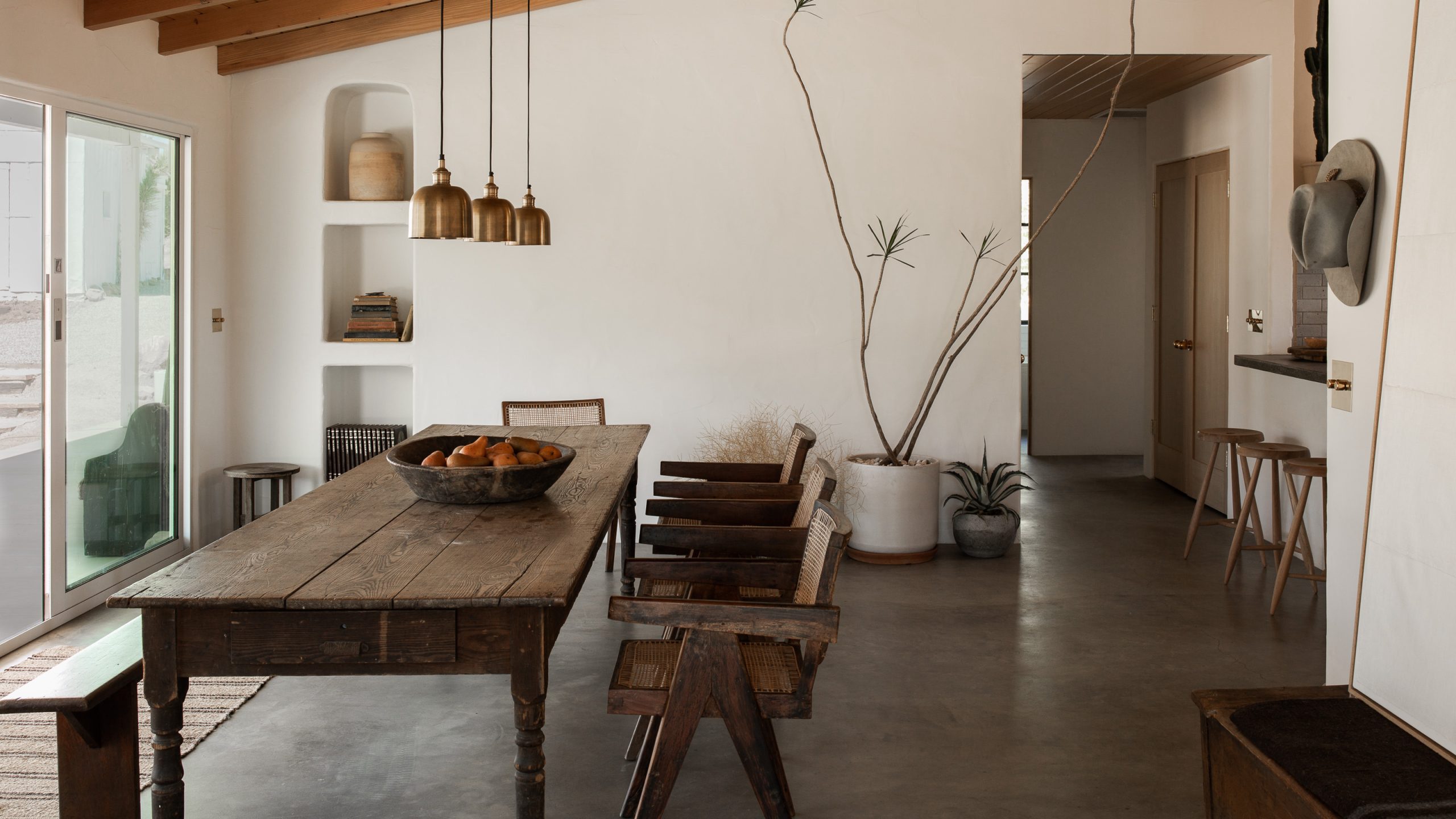
Discovering Your Interior Design Style
Discovering Your Interior Design Style
Finding the right interior design style can feel overwhelming. From minimalist to maximalist, traditional to contemporary, the options seem endless. But discovering your personal style is a journey of self-expression, not a race. It's about creating a space that truly reflects you.
Start with Self-Reflection
Begin by considering your lifestyle and personality. Are you drawn to clean lines and simplicity, or do you prefer rich textures and ornate details? Think about how you use your space. Do you entertain often, or is it primarily a sanctuary for relaxation? Understanding your needs and preferences is the first step.
Explore and Gather Inspiration
Browse design magazines, websites, and social media platforms like Pinterest and Instagram. Create mood boards or save images that resonate with you. Pay attention to recurring themes and elements – colors, patterns, textures, furniture styles. This process helps you visualize what you like and identify potential design directions.
Analyze Your Existing Possessions
Take a look at your current belongings. Which pieces do you cherish most? What do they have in common? This can offer valuable clues about your existing aesthetic preferences. You might discover a hidden fondness for mid-century modern furniture or a love of bohemian textiles.
Consider Your Architectural Style
Your home's architecture can influence your interior design choices. A Victorian-era home might lend itself to traditional or eclectic styles, while a modern loft might suit a minimalist or industrial aesthetic. Harmony between the interior and exterior creates a cohesive and pleasing overall look.
Experiment and Evolve
Don't be afraid to experiment. Try incorporating different elements and see what feels right. Your style might evolve over time, and that's perfectly okay. It's a process of discovery and refinement. Start with small changes, like adding new cushions or artwork, and gradually build upon your vision.
Focus on Functionality
While aesthetics are important, functionality is key. A beautiful space that doesn't meet your practical needs won't feel truly comfortable. Consider how you use each room and choose furniture and layouts that support those activities. A well-designed space is both visually appealing and functional.
Trust Your Instincts
Ultimately, the most important thing is to trust your instincts. Choose what you love and create a space that feels authentic to you. Your home should be a reflection of your personality and a place where you feel comfortable and inspired.


