
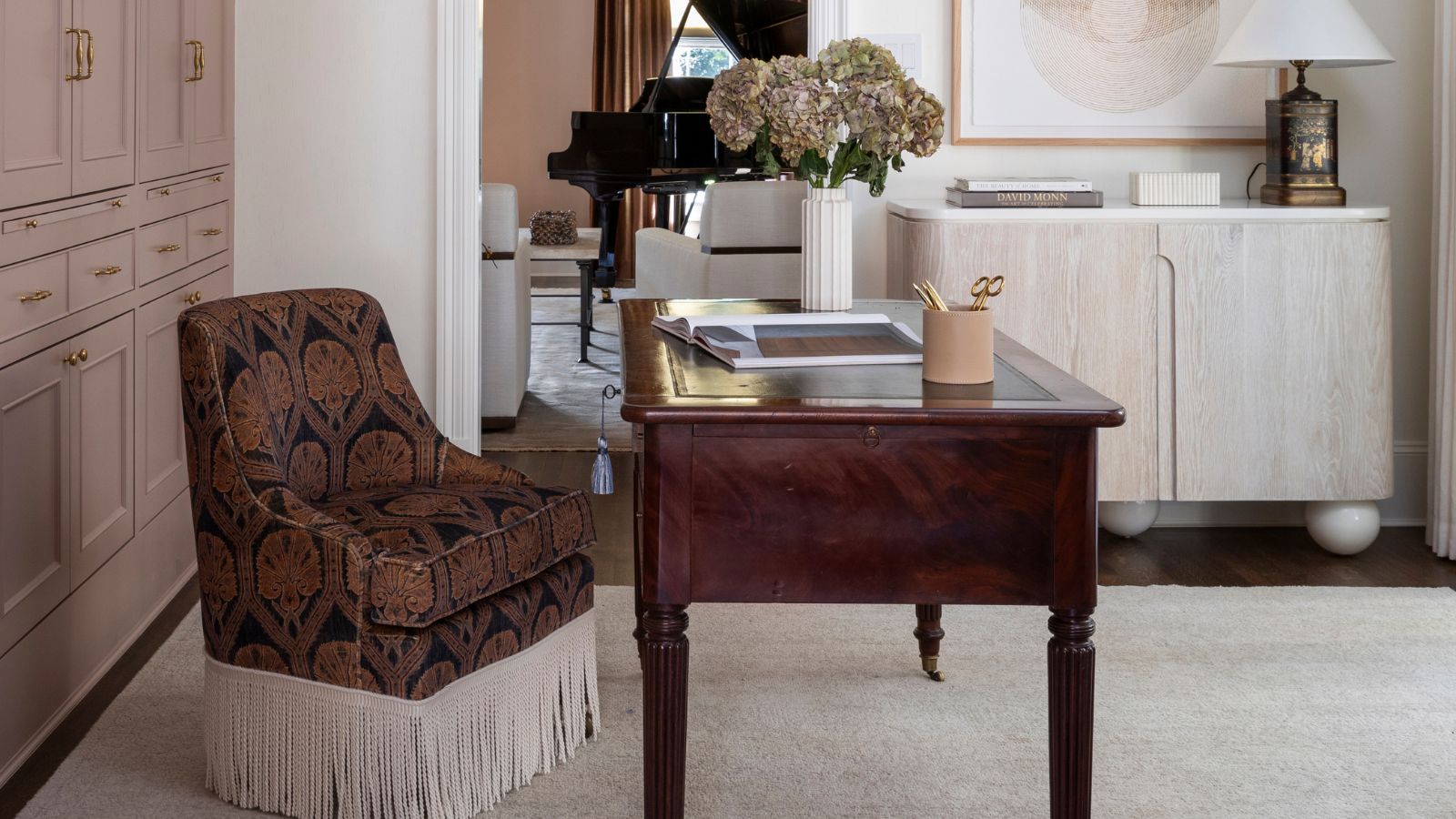
Elevate Your Interiors with Trim: The Decorative Trend Taking Homes by Storm
Trim Is the Latest Interior Design Trend Taking Over From Fluted Finishes
Move over, fluted finishes – there’s a new textural trend taking the interior design world by storm. Trim is emerging as a leading detail in furniture and architectural design, offering a modern, tailored take on traditional styles. This decorative technique involves applying narrow strips of wood, metal, or contrasting paint colors to create raised or recessed linear patterns.
From subtle accents to bold geometric designs, trim can be found adorning everything from walls and cabinetry to furniture and lighting. Its versatility allows it to seamlessly integrate into a range of aesthetics, from minimalist and contemporary to classic and ornate. Designers are embracing trim to add depth, dimension, and visual interest to otherwise simple surfaces.
How to Use Trim in Your Home
Trim offers a range of possibilities for elevating interior spaces. On walls, consider framing doorways or creating panelled effects. Furniture can be instantly updated with the addition of trim detailing, while cabinetry can be given a bespoke look with contrasting or metallic trim. Its use isn't restricted to large-scale applications; even smaller accessories like mirrors and picture frames can benefit from a touch of trim.
One of the key benefits of trim is its ability to personalize a space. Whether it's used to highlight existing architectural features or to introduce new design elements, trim allows for a level of customization that can truly transform a room. Its clean lines and tailored appearance create a sense of sophistication and refinement.
Trim vs. Fluting: Understanding the Difference
While both trim and fluting add textural interest, they achieve this through different means. Fluting involves creating concave grooves or channels in a surface, often seen in columns or furniture legs. Trim, on the other hand, builds upon a surface, adding raised or recessed lines to create decorative patterns.
The resurgence of trim can be attributed to its contemporary feel and adaptable nature. While fluting maintains a more traditional or classical association, trim can be incorporated seamlessly into modern and minimalist designs. Its versatility makes it a particularly appealing choice for those looking to update their homes with a fresh, on-trend look.
The trend extends beyond simple linear patterns. Designers are experimenting with geometric layouts, contrasting colors, and mixed materials to create unique and eye-catching trim designs. The subtle relief and shadow play created by trim adds another layer of visual intrigue, enhancing the overall aesthetic of the space. As more homeowners and designers embrace this versatile technique, it's clear that trim is set to become a staple in interior design for the foreseeable future.


