
Finding the Right Color Balance in a Room
How Many Colors Should You Include in a Room?
Decorating with color can be daunting. Choosing the right shades is key to setting the mood and feel of a space, impacting everything from how big a room feels to how well you sleep.
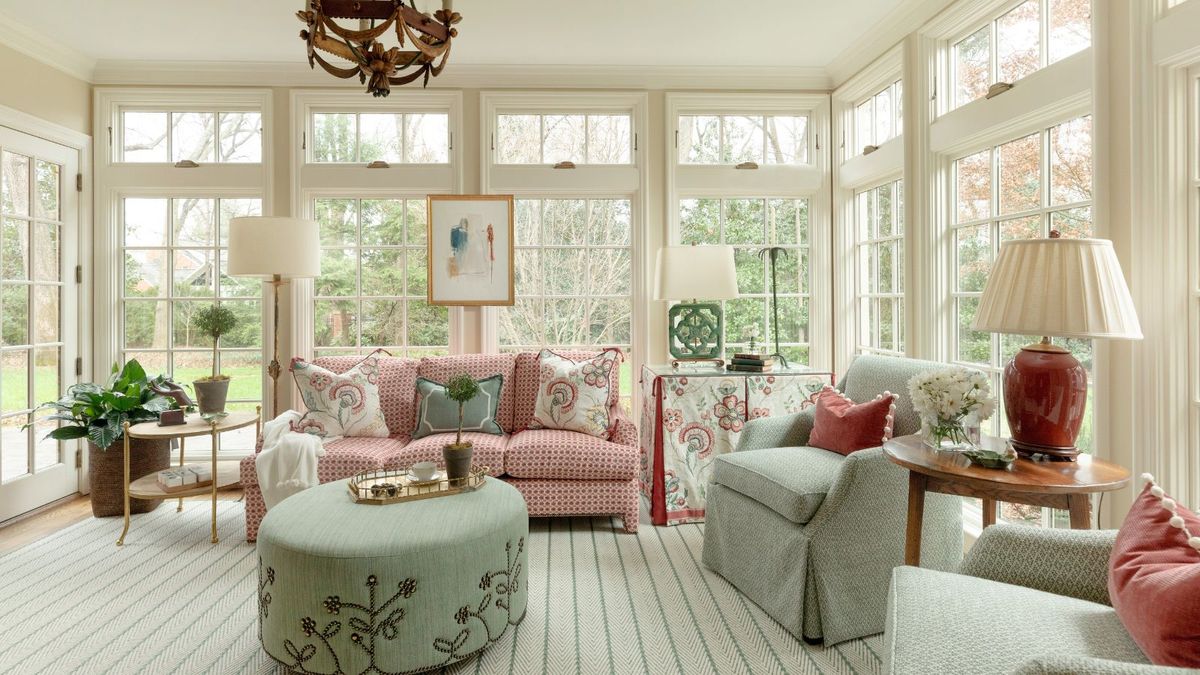
But how many colors should you include in a room to create a cohesive and stylish space? While there are no hard and fast rules, understanding the '60-30-10 rule' can provide a helpful framework for decorating with color.
Understanding the 60-30-10 Rule
The 60-30-10 rule suggests dividing your room's color palette into three tiers:
- 60% Dominant Color: This is the main color for your space, used for larger surfaces like walls, rugs, or sofas. It sets the overall tone of the room.
- 30% Secondary Color: This color supports the dominant color and is used for upholstery, curtains, or accent chairs. It adds depth and visual interest.
- 10% Accent Color: This is your pop of color, used for smaller accessories like cushions, throws, and artwork. It adds personality and vibrancy.
Choosing Your Colors
The colors you choose will depend on the desired atmosphere. Consider the following:
- Mood: Calm and relaxing or energetic and vibrant?
- Size of the room: Lighter colors make a room feel bigger, while darker colors create a cozy atmosphere.
- Natural light: Rooms with ample natural light can handle bolder colors.
Beyond the 60-30-10 Rule
While the 60-30-10 rule is a good starting point, don't be afraid to experiment. You can:
- Introduce more than three colors: Consider using different shades and tones within the same color family.
- Use neutrals as a base: Neutrals like white, gray, and beige provide a versatile backdrop for other colors.
- Consider the function of the room: A bedroom might call for calming colors, while a living room might benefit from more energizing shades.
Ultimately, the best way to determine the right number of colors for your room is to trust your eye and experiment with different combinations until you find a palette that you love.


