
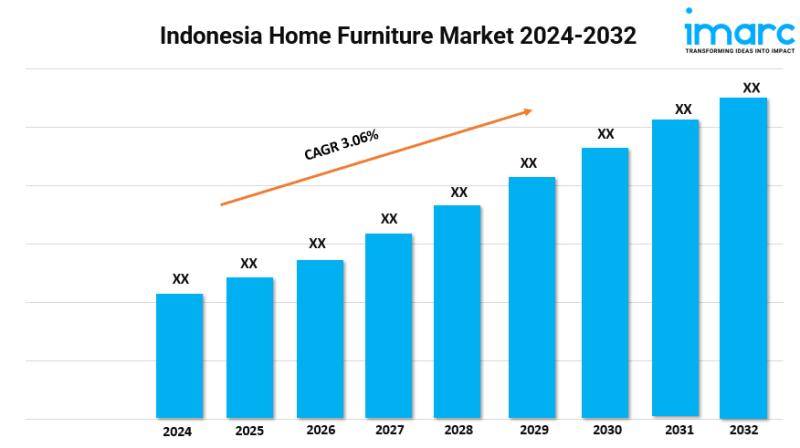
Indonesia Home Furniture Market to See Growth from 2024-2032
The Indonesian home furniture market is projected to witness robust growth from 2024 to 2032. This expansion is driven by a confluence of factors including a burgeoning middle class with rising disposable incomes, increasing urbanization leading to greater demand for housing and consequently furniture, and evolving consumer preferences towards modern and stylish home decor. The market is also influenced by the growing real estate sector, which fuels demand for furniture in new residential projects.
Key market segments within the Indonesian home furniture industry include living room furniture, bedroom furniture, dining room furniture, and kitchen furniture. These segments are further categorized based on materials such as wood, metal, plastic, and upholstered furniture. Within these segments, consumer preferences are shifting towards multi-functional furniture, space-saving designs, and sustainable materials.
The market dynamics are shaped by both domestic and international players. Local manufacturers are increasingly focusing on enhancing product quality and design to compete with imported furniture. E-commerce platforms are also playing a significant role in expanding market reach and providing consumers with a wider range of choices. The government's initiatives to support the manufacturing sector and promote exports are also contributing to the industry's growth.
Several trends are shaping the future of the Indonesian home furniture market. There is a growing demand for customized and personalized furniture that caters to individual tastes and preferences. The adoption of advanced manufacturing technologies is enabling manufacturers to improve production efficiency and product quality. Furthermore, the increasing focus on sustainable and eco-friendly furniture is expected to drive innovation in materials and manufacturing processes.
In conclusion, the Indonesian home furniture market presents significant growth opportunities for both domestic and international players. Factors such as rising disposable incomes, increasing urbanization, and evolving consumer preferences are driving market expansion. By understanding market dynamics, consumer trends, and competitive landscape, businesses can effectively position themselves to capitalize on the growth potential of the Indonesian home furniture market.


