
Ombré Kitchen Cabinets: A Subtle Statement
This ombré kitchen idea is so subtle and stylish
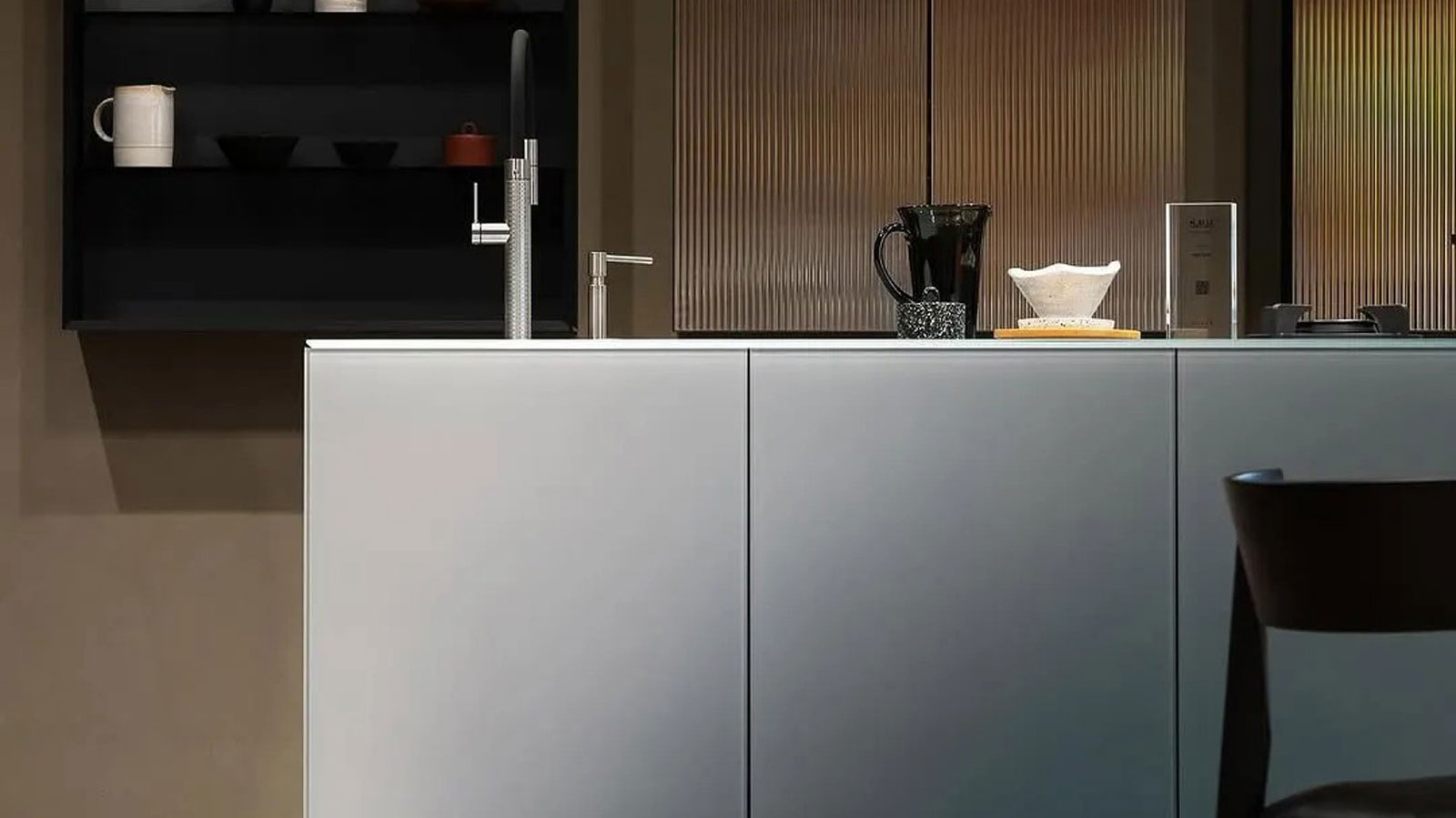
Want a kitchen that's both on-trend and timeless? This Cesar kitchen features a clever gradient finish that offers a sophisticated take on the popular two-tone kitchen cabinet trend.
The designers at Cesar have created an ombré effect on the kitchen island. This creates an eye-catching and unique design without being overpowering.
The look is achieved using lacquered panels in three subtly different shades. These panels wrap around the island to give a gradient effect from darker at the base to lighter at the top, creating a sense of height and airiness.
This delicate approach to two-tone kitchen cabinets is not only stylish but also functional. The darker shade at the bottom is more practical for hiding scuffs and marks, while the lighter top half helps to bounce light around the room.
The simplicity of the design makes it perfect for showcasing natural materials. This kitchen incorporates warm-toned wooden flooring and a sleek, pale worktop, creating a harmonious and calming atmosphere.
The ombré island is the focal point of the room, creating a seamless transition between the darker base cabinets and the lighter wall units, tying the entire look together. This gradient effect could also be applied to other elements of the kitchen, such as a backsplash or open shelving, to create a truly unique look.
Creating the look
A bespoke paint job can be expensive, so opting for readily available shades from paint brands is a cost-effective alternative.
Select three colors from the same color family, ensuring they are only slightly different in tone. A gradual transition between the shades is key to achieving the ombré effect.
Sample the colors on your chosen surface – whether it's cabinet doors or a section of wall – before committing to the final look. This allows you to see how the colors interact with the light in your kitchen and adjust accordingly.
Consider the direction of the gradient: A dark-to-light gradient from base to top creates a sense of height, while a reverse effect can create a grounded feel. Experiment to see which best suits your space.
Other ombre ideas
If you’re not ready to commit to a fully ombré kitchen island, consider using the technique on a smaller scale. For instance, you could create an ombré effect on a section of wall, using paint, tiles, or even wallpaper. This can add a touch of visual interest without being overwhelming.
Alternatively, you could apply the gradient effect to open shelving, creating a dynamic display for your kitchenware.
Ombré is a versatile technique that can be applied to a variety of materials and surfaces. It's a great way to add depth and personality to your kitchen, creating a space that is both stylish and unique.


