
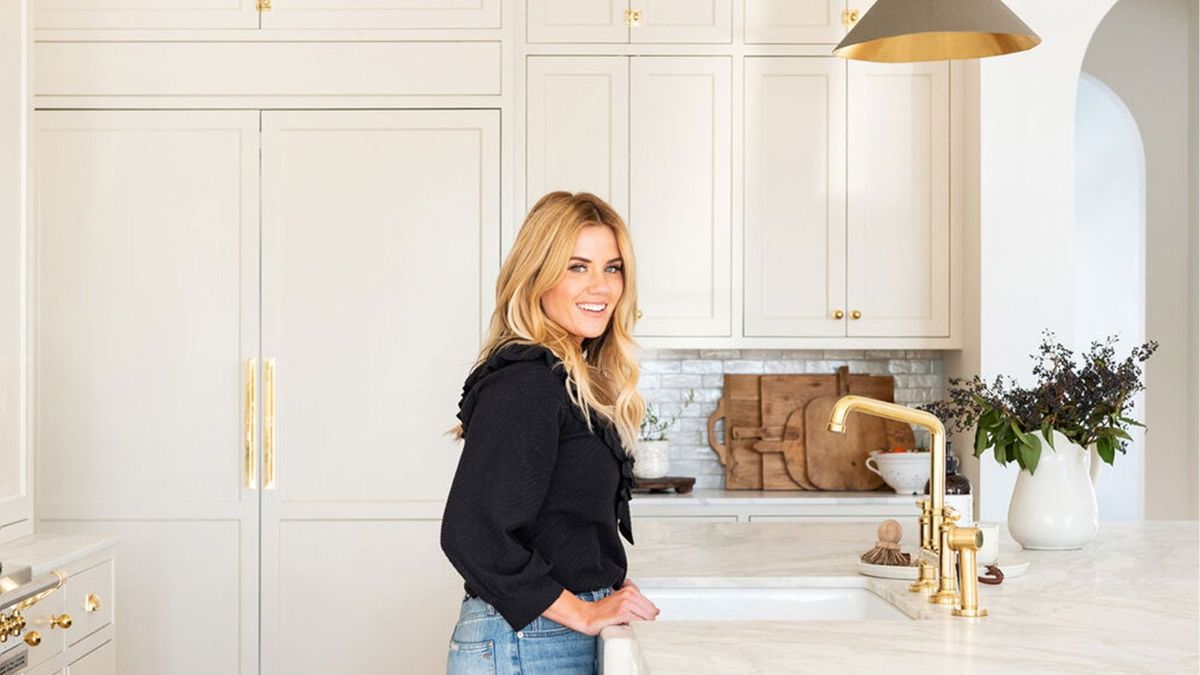
Shea McGee's Guide to Mixing Wood Tones in the Kitchen
Shea McGee on Mixing Wood Tones in the Kitchen
Want to introduce a variety of woods in your kitchen but worried about it looking messy? Shea McGee, the designer behind Studio McGee, understands.
McGee emphasizes the importance of establishing a dominant wood tone, referring to it as your "anchor wood," which serves as the primary wood in the space. It's usually the most prominent and sets the stage for the rest of the woods in the kitchen.
When selecting secondary wood tones, McGee recommends aiming for contrast with the dominant wood, whether through a lighter or darker shade, which creates visual interest. However, she advises against incorporating wood tones that are too close to your main wood, as they can make the space feel unintentional or haphazard.
To help you select the perfect contrasting wood tones, McGee shares a practical tip. If you have a dark, rich wood as your dominant tone, consider pairing it with a lighter, brighter wood as your secondary tone. This contrast creates a balanced look. On the other hand, if your dominant wood is light, you can go in two directions: introduce another light wood with a different undertone (think warmer or cooler tones) or add a dark wood for a bold statement. It's about creating diversity within a cohesive design.
McGee also recommends looking at the undertones of your woods. Consider whether your wood has a cool or warm undertone. This is key for maintaining cohesion, even when using various wood tones. If most of your woods share a similar undertone, it helps unify the overall design. For example, if your dominant wood has a cool undertone, your secondary woods should ideally also have cool undertones. This doesn't mean every wood needs to be identical, but by sticking to the same undertone family, you ensure the overall aesthetic remains harmonious.
Lastly, McGee emphasizes spreading the wood tones throughout your kitchen design. This is a key step in successfully mixing wood tones. Rather than clumping similar woods together, distribute them evenly. For instance, if you have wooden bar stools at your kitchen island, consider incorporating wood tones in your overhead lighting or open shelving on the opposite side of the room.
By establishing a dominant tone, selecting contrasting secondary woods, considering undertones, and thoughtfully distributing the different woods, you can achieve a cohesive and visually interesting multi-tonal kitchen design.


