
Slow Furniture Movement Counters Fast Furniture Trend
Slow Furniture: A Counter-Movement to Fast Furniture
In an era of readily available and affordable flat-pack furniture, a growing movement champions handcrafted, durable pieces designed to last generations. "Slow furniture," as it's known, prioritizes quality materials, traditional craftsmanship, and sustainability.
This movement stands in stark contrast to the fast-furniture industry, often criticized for its environmental impact and the disposability of its products. Slow furniture makers emphasize locally sourced materials like Australian hardwoods, minimizing transport emissions and supporting local economies. The pieces are built to be repaired rather than replaced, promoting a more sustainable consumption model.
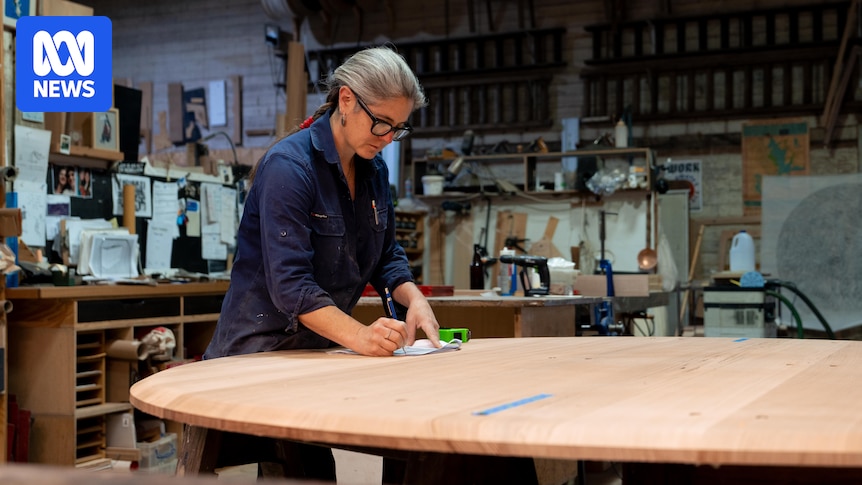
The resurgence of interest in traditional crafts like woodworking and upholstery plays a crucial role in the slow furniture movement. These skills, often passed down through generations, are being revived by artisans and makers who value the connection between creator and creation.
Customers are also embracing the slow furniture ethos. They are drawn to the unique character and durability of handcrafted pieces, viewing them as investments rather than disposable commodities. The story behind the piece, from the origin of the materials to the maker's process, adds to its value.
Despite the higher price tag associated with handcrafted furniture, the slow furniture movement is gaining momentum. Consumers are becoming increasingly aware of the environmental and social costs of fast furniture and seeking alternatives that align with their values. The longevity and timeless design of slow furniture offer a counterpoint to the fleeting trends of mass-produced items.
The emphasis on local production also fosters a connection between the maker and the community. Customers can often visit workshops, meet the artisans, and understand the process behind the creation of their furniture. This personal touch further distinguishes slow furniture from mass-produced alternatives.
As consumers seek more sustainable and meaningful consumption choices, the slow furniture movement is poised to continue its growth. The focus on quality, craftsmanship, and local production offers a refreshing alternative to the fast-paced world of disposable goods.

