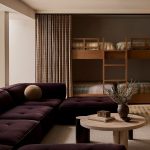
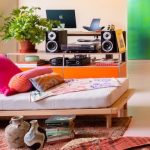
Seventies color palettes offer a rich spectrum of both vibrant and earthy tones. From the sunny optimism of harvest gold, avocado green, and burnt orange, to the grounded hues of rust, terracotta, and chocolate brown, the decade's color schemes evoke a sense of warmth and nostalgia. These palettes can be used to create spaces that are both retro and contemporary, offering a playful yet sophisticated aesthetic. Think bold accent walls, patterned textiles, and furniture in rich velvets and leathers to fully embrace the 70s vibe.
Energizing combinations like pink and orange or red and pink create a sense of vibrancy, while softer pairings such as blush and terracotta or blue and green evoke a more tranquil atmosphere. Consider the mood you want to create in each space and select colours accordingly. For a bold statement, try contrasting colours like green and black or yellow and grey. Alternatively, create a calming sanctuary with analogous hues like different shades of blue or various greens. The 60-30-10 rule can be a helpful guideline, using a dominant colour for 60% of the room, a secondary colour for 30%, and an accent colour for the remaining 10%. Ultimately, the key is to find combinations that resonate with your personal style and enhance the overall aesthetic of your home.
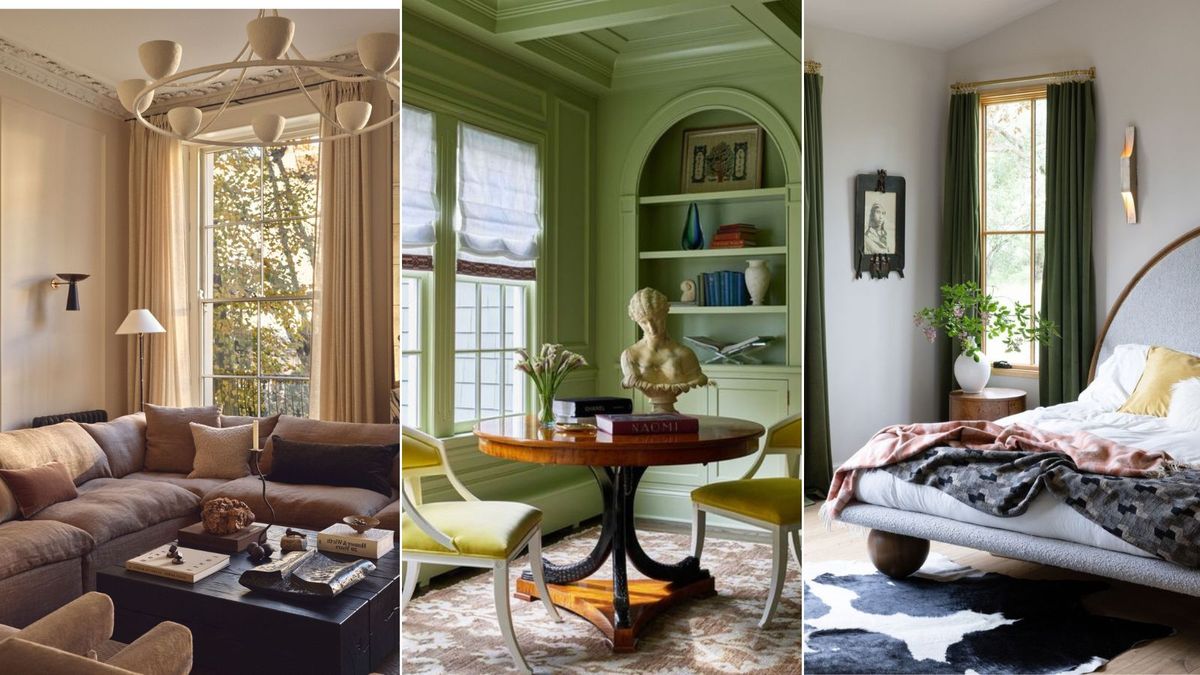
Certain color combinations have the power to elevate a room's aesthetic and create a specific mood. Soft neutrals like warm gray, cream, and taupe offer a timeless and sophisticated backdrop, while incorporating bolder shades such as deep blues, rich greens, or burnt oranges can introduce personality and warmth. Balancing these bolder colors with lighter neutrals prevents the space from feeling overwhelming. Alternatively, embracing a monochromatic palette, using varying shades and tints of a single color, can create a cohesive and calming atmosphere. Thoughtful color pairings can ultimately transform a room, enhancing its style and ambiance.
Choosing the right room color is transformative, impacting both mood and perceived space. Light, cool colors can make a room feel larger and airier, while darker, warmer hues create a cozy, intimate atmosphere. Color can also be used strategically to highlight architectural features or define zones within an open-plan space. Considering the room's purpose and the desired ambiance is key, as is understanding how natural light affects color perception. Experimenting with paint samples and considering the interplay of colors between walls, furniture, and accessories is essential for achieving a harmonious and aesthetically pleasing result.