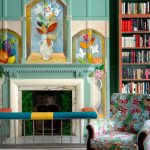
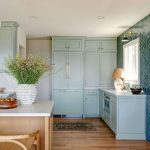
My journey with colorful paint began with a hesitancy to stray from neutrals, a fear of making "mistakes." However, I soon realized that paint is the easiest and most transformative element in design, offering a low-commitment way to experiment with color. Embracing bolder shades started small, with a powder room painted in a deep teal. The impact was immediate and exhilarating, sparking a desire to infuse more color throughout my home. This led to a hallway in a soft blush pink, a bedroom in a calming sage green, and eventually, even my kitchen cabinets in a cheerful, sunny yellow. The transformation not only brightened the physical spaces but also my mood and overall well-being.
Shea McGee, known for her bright and airy aesthetic, favors a curated palette of kitchen cabinet paint colors that create a timeless and inviting feel. Warm neutrals like Accessible Beige and Swiss Coffee are go-to choices, offering a versatile backdrop for various design styles. For a touch of subtle color, she recommends softer shades like Pale Oak and Collingwood, which add depth without overpowering the space. McGee also suggests incorporating contrasting elements, such as dark hardware or a contrasting island color, to enhance visual interest.
Teal paint offers a versatile and sophisticated way to enhance any room. From deep, jewel-toned teals evocative of peacock feathers to lighter, airy aquas reminiscent of the sea, this color family spans a wide spectrum of moods. Whether used as a statement wall in a living room, a calming backdrop in a bedroom, or a refreshing pop in a kitchen, teal can create a sense of elegance, tranquility, or playful energy depending on the specific shade and surrounding decor. Its ability to complement both warm and cool tones makes it a particularly adaptable choice for various design styles.
Lavender, with its spectrum of shades from pale lilac to deep violet, offers a versatile palette for creating a tranquil and sophisticated bedroom. Its inherent calming qualities make it ideal for promoting relaxation and sleep, while its diverse range allows for a variety of design approaches. Whether used as a subtle accent in soft furnishings or as a bold statement on walls, lavender can be incorporated into various decor styles, from classic to contemporary, adding a touch of elegance and serenity to the space. Experimenting with different textures and patterns within the lavender family can further enhance the overall aesthetic and create a truly personalized sanctuary.