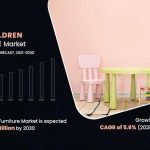
The children's furniture market is expected to grow significantly, with an estimated increase of $48.9 billion between 2022 and 2027. This growth is anticipated to be driven by a Compound Annual Growth Rate (CAGR) of 6.26% during the forecast period. Several factors contribute to this projected growth, including the rising global birth rate, increasing disposable incomes, and a growing focus on creating stimulating and safe environments for children.
The global laboratory chairs market is driven by factors such as increasing investment in R&D activities, the growing number of laboratories and research facilities, and a rising focus on ergonomics and worker safety. The market is segmented based on product type, including stools, task chairs, and others; by application in research labs, hospitals & clinics, and other sectors; and by region, encompassing North America, Europe, Asia Pacific, Latin America, and the Middle East and Africa. Technological advancements in laboratory chair design, like adjustable height and lumbar support, are expected to further fuel market growth. While the market presents lucrative opportunities, it also faces challenges such as the high cost of advanced laboratory chairs and the availability of alternative seating solutions.
The global office furniture market is experiencing significant growth, driven by evolving workplace designs and increasing demand for ergonomic solutions. Factors such as the rise of co-working spaces, the integration of technology in office settings, and a greater emphasis on employee well-being are fueling market expansion. Furthermore, the adoption of sustainable and eco-friendly furniture is expected to create further opportunities within the market. With increasing investments in office infrastructure and a focus on enhancing productivity and employee satisfaction, the office furniture market is poised for continued growth in the coming years.
The steel furniture market is experiencing significant growth, driven by factors such as rising disposable incomes, increasing urbanization, and the expanding construction industry. Steel furniture offers durability, affordability, and low maintenance, making it a popular choice for various applications including residential, commercial, and industrial settings. The market is witnessing a shift towards modern and aesthetic designs, with manufacturers focusing on incorporating innovative features and customization options to cater to evolving consumer preferences. Furthermore, the growing adoption of sustainable practices and the recyclability of steel contribute to the market's positive outlook.
The global plastic furniture market is projected to experience significant growth, reaching an estimated value of USD 23.53 billion by 2032. This expansion is anticipated to occur at a compound annual growth rate (CAGR) of 5.2% from 2023 to 2032. Factors driving this growth include the increasing demand for lightweight, durable, and cost-effective furniture solutions, particularly in developing economies. The rising adoption of plastic furniture across various sectors, including residential, commercial, and industrial, further fuels market expansion. Additionally, advancements in plastic materials and manufacturing processes contribute to the development of innovative and aesthetically appealing furniture designs, boosting market growth.
The heavy fuel oil market is anticipated to witness substantial growth in the coming years, driven by its continued use in various sectors, including marine, power generation, and industrial applications. Factors such as increasing global energy demand, particularly in developing economies, and the relatively lower cost of heavy fuel oil compared to other fuels contribute to market expansion. However, stringent environmental regulations aimed at reducing sulfur emissions and the growing adoption of alternative fuels pose significant challenges to the heavy fuel oil market's future growth. The market is expected to evolve with technological advancements focused on improving fuel efficiency and reducing emissions.
The ergonomic chair market is expected to experience rapid growth, reaching a projected value of USD 16.4 billion by 2031. This expansion is driven by increasing awareness of the health benefits associated with ergonomic design, including improved posture and reduced back pain. The growing prevalence of sedentary lifestyles and the rise of remote work further contribute to the market's growth, as individuals seek comfortable and supportive seating solutions for extended periods. Additionally, the incorporation of advanced features like adjustable lumbar support, headrests, and armrests further enhances the appeal of ergonomic chairs.
The global outdoor furniture market is projected to witness substantial growth between 2024 and 2034. Factors such as increasing disposable incomes, a growing trend toward outdoor living, and the rising popularity of staycations are expected to drive market expansion. Demand for durable, weather-resistant, and aesthetically pleasing outdoor furniture is anticipated to rise across residential and commercial sectors. Innovation in materials, designs, and functionalities will likely further propel market growth during the forecast period.
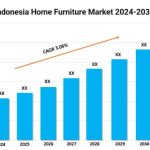
The Indonesia home furniture market is projected to witness significant growth between 2024 and 2032. Factors driving this expansion include a growing real estate sector, increasing disposable incomes, and evolving consumer preferences towards modern and stylish furniture. The market encompasses diverse segments like living room, bedroom, and kitchen furniture, with both online and offline retail channels playing crucial roles in distribution. This growth is expected to create lucrative opportunities for both domestic and international furniture manufacturers.
The air transport Unmanned Aerial Systems (UAS) market is projected to experience significant growth, reaching an estimated US$9.5 billion by 2032. This expansion is anticipated due to increasing demand across various sectors including commercial, military, and government applications. Factors contributing to this growth include the rising adoption of drones for delivery services, infrastructure inspection, surveillance, and defense operations.