
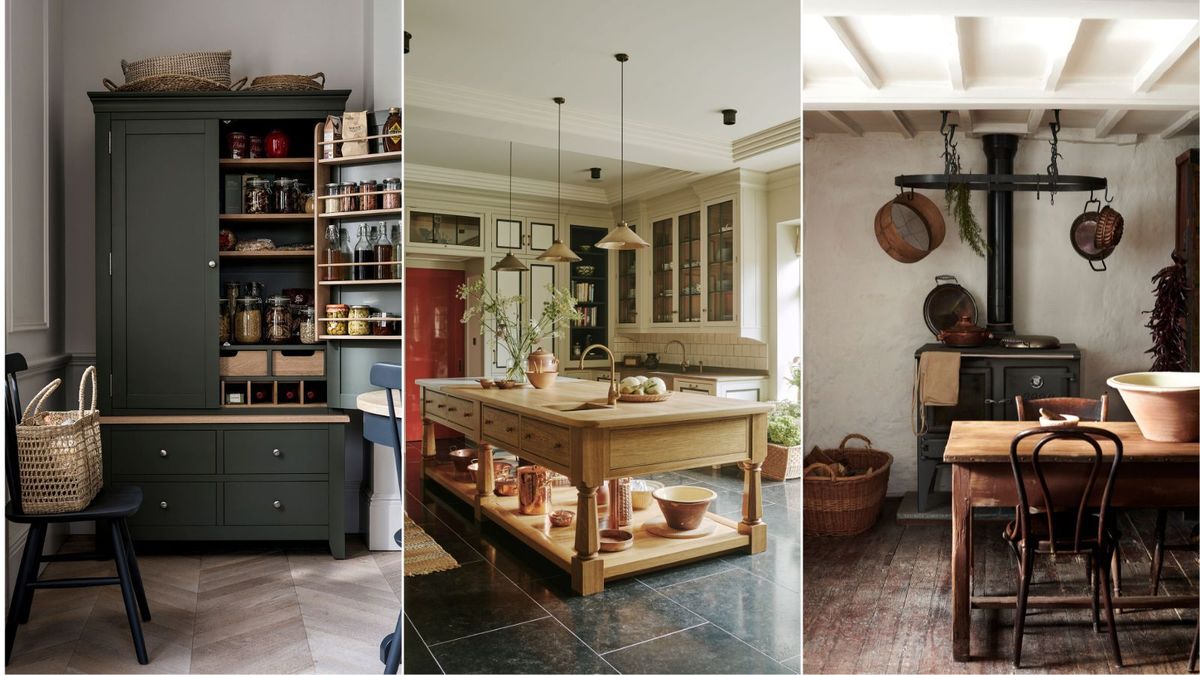
The End of the Fitted Kitchen?
Is This The End of The Fitted Kitchen?
The fitted kitchen – a staple in homes for decades – is facing a potential upheaval. Once synonymous with modernity and efficiency, these built-in units are now being challenged by a growing desire for more flexible, individual, and adaptable kitchen spaces.
Several factors are contributing to this shift. Firstly, open-plan living has blurred the lines between kitchen and living areas, necessitating a more cohesive and less utilitarian aesthetic. The rigid structure of fitted kitchens can feel at odds with this open flow.
Secondly, the trend towards 'broken-plan' living, incorporating zoning and multifunctional spaces within open layouts, demands adaptable furniture that can easily be reconfigured. Fitted kitchens, by their very nature, lack this flexibility.
The rising popularity of freestanding furniture is also playing a significant role. Pieces like kitchen islands, dressers, and standalone pantries offer greater individuality and can be moved or repurposed as needed, unlike their fixed counterparts.
Another driver is the increased focus on sustainability. Freestanding pieces can be more easily repaired, reused, or moved to a new home, contributing to a less wasteful approach to kitchen design. Fitted kitchens, often built to specific dimensions, can be difficult to salvage or adapt when a homeowner moves or renovates.
This doesn't necessarily spell the complete demise of the fitted kitchen. For some, the streamlined appearance and optimized storage of a fitted design remain highly appealing. However, the emergence of alternative approaches suggests a move towards greater personalization and adaptability in the kitchen.
The kitchen is no longer seen merely as a functional space for cooking, but as a central hub for socializing and living. This evolution calls for designs that prioritize individuality and flexibility, paving the way for a more diverse and adaptable kitchen landscape.


