Third Spaces: The Retail Trend of 2025
Why Third Spaces Are the Retail Trend to Tap Into in 2025
In a world increasingly dominated by online shopping, physical stores need to offer more than just products. They need to provide experiences. This is where the concept of the "third space" comes in. No longer just a place to buy goods, retail spaces are evolving into community hubs where consumers can connect, learn, and be entertained.
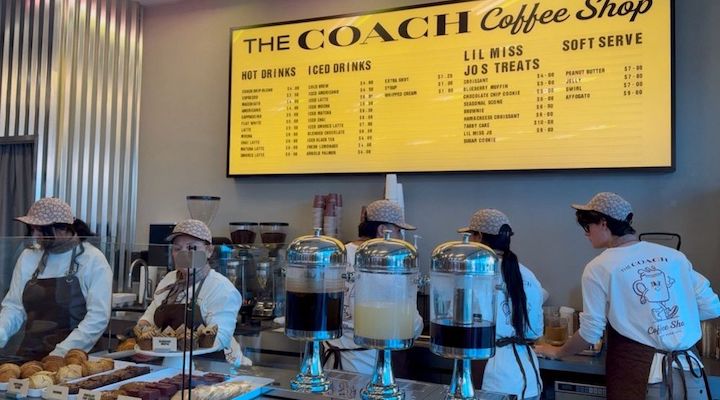
The term "third space" traditionally refers to places outside the home and workplace where individuals spend their time, such as coffee shops, libraries, or parks. Retailers are now embracing this concept, transforming their stores into destinations that foster a sense of community and belonging.
This shift is driven by several factors, including the rise of experiential retail and the growing desire for human connection in a digital world. Consumers, especially Gen Z and Millennials, are seeking authentic experiences and opportunities to engage with brands and like-minded individuals.
Creating a successful third space requires more than just adding a few comfortable chairs and a coffee machine. Retailers need to curate experiences that resonate with their target audience. This might involve hosting workshops, offering personalized consultations, or creating interactive displays.
Examples of retailers successfully implementing the third space concept include bookstores that host author events and book clubs, clothing stores that offer styling workshops, and beauty retailers that provide personalized makeup tutorials. These initiatives not only attract customers but also foster loyalty and build stronger brand relationships.
The benefits of embracing the third space model are numerous. By providing engaging experiences, retailers can increase foot traffic, drive sales, and gather valuable customer insights. Moreover, they can create a sense of community around their brand, differentiating themselves from competitors and fostering long-term customer loyalty.
In 2025 and beyond, the third space concept is poised to become even more prevalent in the retail landscape. As consumers increasingly seek meaningful experiences, retailers who embrace this trend will be well-positioned for success. By creating spaces that foster connection and community, retailers can not only survive but thrive in the evolving world of retail.


