
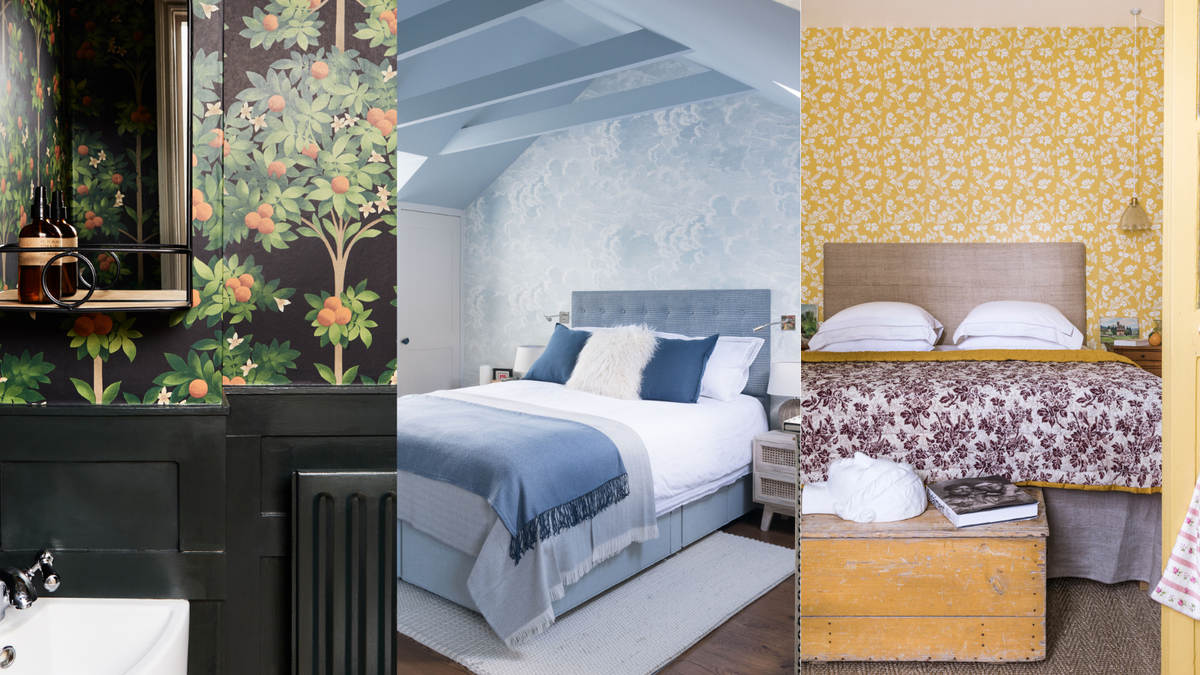
Wallpaper and Paint: A Perfect Match
How to Pick a Paint to Match Your Wallpaper
Choosing the right paint color to complement your wallpaper can elevate a room from simple to stunning. It allows you to create a cohesive and balanced space that reflects your personal style. Whether you're aiming for a subtle and harmonious look or a bold and contrasting statement, understanding the key principles of color coordination is essential.
Understanding the Wallpaper's Color Palette
The first step is to carefully analyze the colors present in your chosen wallpaper. Identify the dominant color, secondary colors, and any accent colors. Consider the undertones of these colors – are they warm or cool? This understanding will guide your paint selection process.
Creating Harmony with Complementary Colors
For a harmonious and cohesive look, choose a paint color that complements the wallpaper's dominant or secondary color. If your wallpaper features cool tones like blues or greens, opt for a similarly cool paint color. Conversely, if your wallpaper has warm tones like reds or yellows, choose a warm paint color.
Making a Statement with Contrast
If you prefer a more dramatic look, consider using a contrasting paint color. This can create a vibrant and energetic space. For example, if your wallpaper features a light background with dark patterns, you could paint the remaining walls in a darker shade to create depth and definition.
Considering the Room's Lighting
Natural and artificial lighting can significantly impact how colors appear in a room. Test your paint color choices in the room at different times of day to see how the lighting affects them. In rooms with limited natural light, lighter paint colors can help brighten the space.
Using the 60-30-10 Rule
The 60-30-10 rule is a helpful guideline for balancing colors in a room. Allocate 60% of the room's color scheme to the dominant color (likely the wallpaper), 30% to a secondary color (the paint), and 10% to an accent color (accessories and décor).
Testing Before Committing
Before painting the entire room, it's always recommended to test your paint color on a small, inconspicuous area. This allows you to see how the color interacts with the wallpaper and the room's lighting in real-world conditions.


