
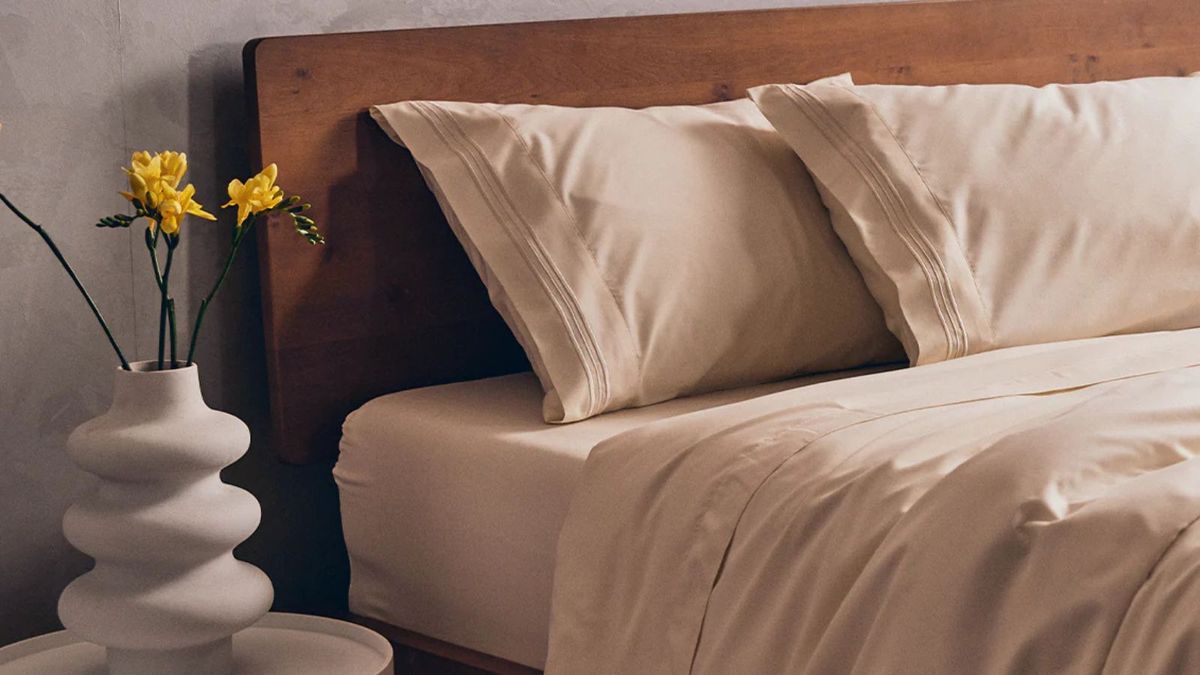
Bedding Materials to Avoid for a Better Night's Sleep
Choosing the right bedding is crucial for a comfortable and restful night's sleep. While thread count and weave are often considered, the material itself plays a significant role in regulating temperature, managing moisture, and overall sleep quality. Here are some bedding materials you might want to reconsider:
Polyester
While budget-friendly and wrinkle-resistant, polyester isn't breathable. This can lead to overheating and night sweats, disrupting sleep. It also doesn't wick away moisture effectively, which can create a breeding ground for dust mites and bacteria.
Microfiber (Low-Quality)
While some high-quality microfibers can offer a soft feel, many budget-friendly options are made from low-quality polyester. These share the same downsides as polyester, trapping heat and moisture.
Bamboo Rayon (Some Types)
Although marketed as eco-friendly, some bamboo rayon production processes involve harsh chemicals. Look for certifications like OEKO-TEX Standard 100 to ensure the material is free from harmful substances. Additionally, bamboo rayon can sometimes feel slippery and less durable than other options.
Acrylic
Often used in blankets and throws due to its affordability, acrylic is another material that doesn't breathe well. It can feel scratchy and uncomfortable against the skin, especially for sensitive individuals. It also pills easily, reducing its lifespan and aesthetic appeal.
Vinyl
While waterproof and easy to clean, vinyl is completely non-breathable. It can trap heat and moisture, leading to an uncomfortable and clammy sleeping experience. It's also not very environmentally friendly.
Instead of these materials, consider opting for natural and breathable options like organic cotton, linen, or Tencel. These materials regulate temperature, wick away moisture, and are generally more comfortable against the skin. Investing in high-quality bedding is an investment in your sleep and overall well-being.


