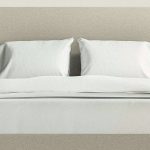
Lighter mornings offer a prime opportunity to refresh your bedroom for spring. Swapping heavy winter bedding for lighter, breathable fabrics like linen or cotton can instantly transform the feel of the room. Introducing brighter colors through cushions, throws, or even a fresh coat of paint on the walls can further enhance the feeling of lightness and airiness. Consider sheer curtains to maximize natural light and add a touch of spring blooms – real or faux – for a final flourish.
"Sleepmaxxing," a TikTok trend focused on prioritizing sleep above all else, raises questions about its true effectiveness. While experts acknowledge the importance of adequate sleep for physical and mental health, they caution against the potential downsides of extreme prioritization. Rigidly adhering to a strict sleep schedule might negatively impact social life and create anxiety around sleep, potentially worsening insomnia. Furthermore, while adequate sleep supports various health functions, it isn't a cure-all for conditions like depression or anxiety. A balanced approach to well-being, incorporating other healthy habits alongside sleep, is generally recommended.
Several common bedroom culprits can significantly disrupt sleep. Electronic devices emit blue light, suppressing melatonin production and delaying sleep onset. Clutter creates a chaotic environment that makes it difficult to relax, while an uncomfortable temperature, whether too hot or too cold, can prevent the body from reaching the ideal sleep state. Strong scents from candles or diffusers, though pleasant initially, can become irritating and interfere with breathing, impacting sleep quality. Even dust mites, lurking in bedding and carpets, can trigger allergies and disrupt breathing throughout the night.
The Saatva Lineal Adjustable Base offers a significant upgrade over a standard bed frame, providing customizable comfort and convenience. Features like head and foot articulation, preset positions for activities like reading or watching TV, and under-bed lighting enhance relaxation and functionality. The whisper-quiet motor ensures undisturbed sleep, while the zero-gravity setting helps alleviate pressure points. Though assembly is required, it's designed for ease, and the included remote control simplifies adjustments. The frame's robust construction and upholstered fabric contribute to its overall quality and aesthetic appeal, making it a worthwhile investment for those seeking improved sleep and bedroom comfort.
Darker bed sheets are generally considered better for sleep as they promote a sense of coziness and security, mimicking the darkness of a cave. This darkness encourages the production of melatonin, a crucial sleep hormone. While lighter colors can be calming, they don't block light as effectively, potentially disrupting sleep. However, personal preference also plays a significant role, and some individuals find lighter sheets more relaxing. Ultimately, the best sheet color for sleep depends on individual needs and sensitivities.
Certain bedding materials can detract from a good night's sleep due to their inherent properties. Synthetic fabrics like microfiber and polyester, while often budget-friendly, tend to trap heat and moisture, leading to discomfort and night sweats. Similarly, low thread count cotton can feel rough and scratchy against the skin. While some may find the crispness of linen appealing, its tendency to wrinkle and its sometimes coarser texture can be bothersome for others. Finally, some materials require more intensive care, like silk, which often necessitates dry cleaning, making it a less practical choice for everyday use.