Homegrown Brands Elevate Indian Interiors with Artistry and Sustainability
These Homegrown Brands Are Bringing Artistry and Sustainable Practices to Indian Interiors
A new wave of Indian design studios and labels is championing local craft techniques, utilizing sustainable materials, and reducing their environmental footprint, all while crafting stunning pieces for contemporary homes.
Several factors are driving this trend. Growing awareness of environmental issues has led consumers to seek out eco-conscious brands. Simultaneously, there's a renewed appreciation for traditional Indian craftsmanship and a desire to support local artisans. These brands cater to both, offering unique, handcrafted pieces with a strong emphasis on sustainability.
These studios work directly with artisans, reviving age-old techniques and providing them with stable livelihoods. They often utilize locally sourced materials like bamboo, cane, recycled wood, and natural dyes, minimizing transportation costs and environmental impact. Furthermore, many of these brands incorporate circular design principles, minimizing waste and ensuring the longevity of their products.
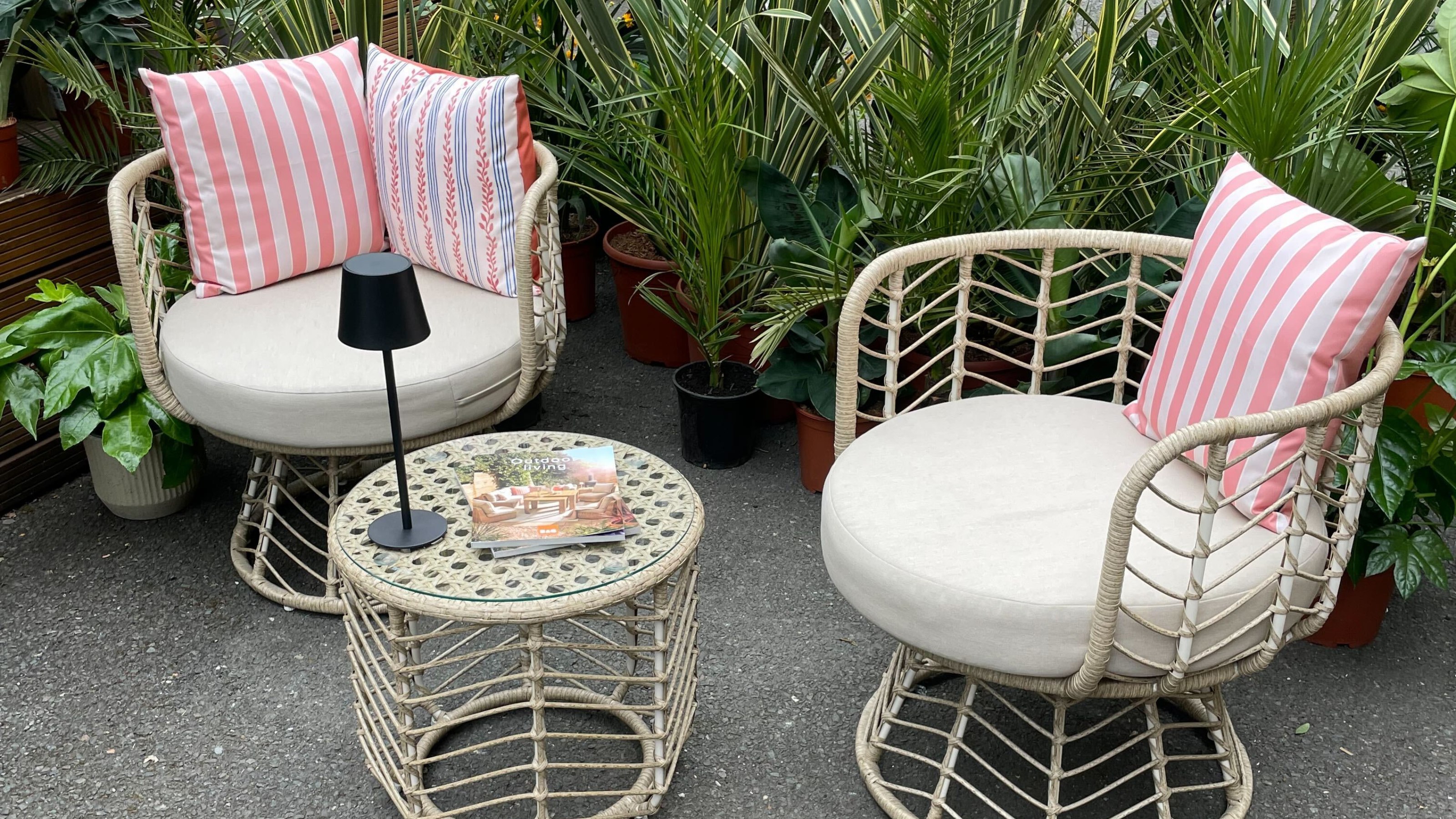
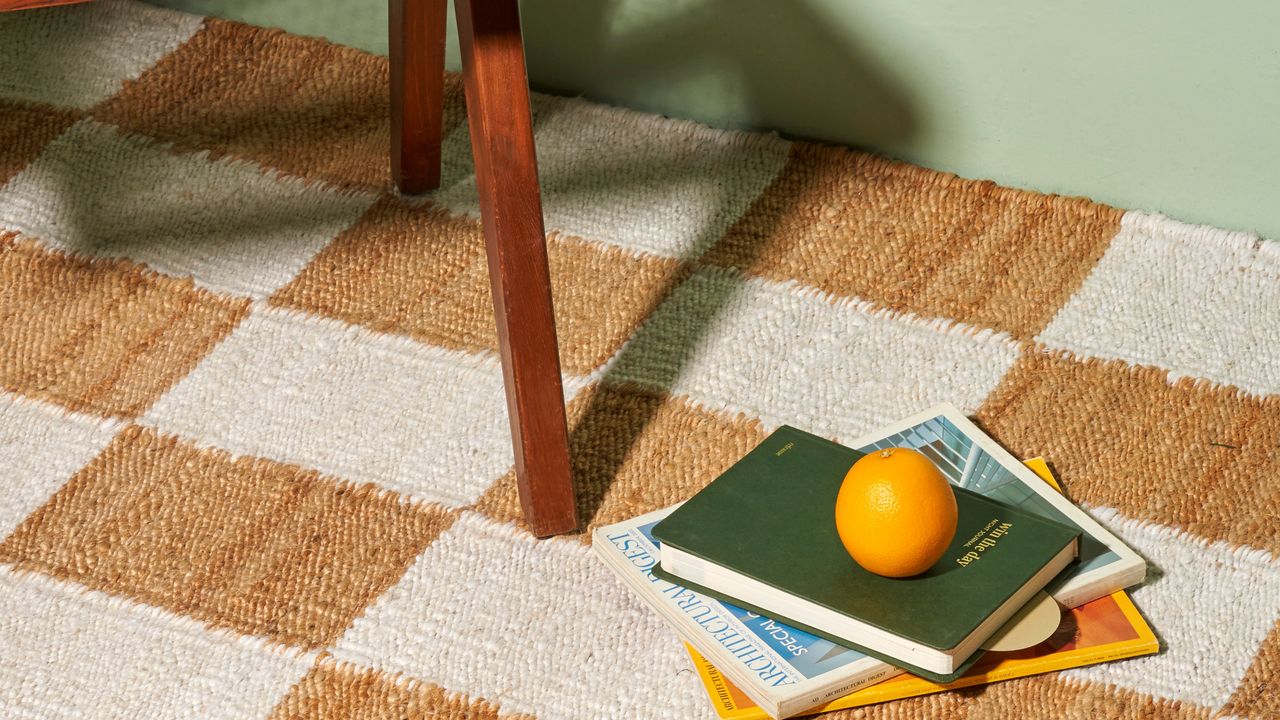
The resulting pieces blend traditional artistry with contemporary design sensibilities. From intricately woven rugs and handcrafted furniture to hand-painted textiles and upcycled home décor, these brands offer a wide range of options for the discerning homeowner. They showcase the richness and diversity of Indian craft traditions while offering sustainable and ethically produced alternatives to mass-produced items.
This movement represents a significant shift in the Indian design landscape. It highlights the potential of combining traditional craft with modern design principles to create beautiful, sustainable, and socially responsible products. By supporting these brands, consumers can contribute to the preservation of Indian craft heritage while investing in pieces that are both aesthetically pleasing and environmentally conscious.
Key Highlights:
- Increased consumer awareness of environmental issues and appreciation for traditional craftsmanship fuels demand for sustainable and locally made products.
- Brands collaborate directly with artisans, ensuring fair wages and preserving age-old techniques.
- Sustainable materials like bamboo, cane, recycled wood, and natural dyes are prioritized, reducing environmental impact.
- Circular design principles are often employed, minimizing waste and promoting product longevity.
- These brands offer diverse product ranges, from furniture and textiles to home décor, showcasing a fusion of traditional artistry and modern design.