Office Design Trends Shaping the Future of Workspaces in 2025
2025 Office Design Trends Shaping the Future of Workspaces
The workplace is undergoing a dramatic transformation, and office design is evolving to keep pace. By 2025, we can expect to see a number of exciting trends shaping the future of workspaces, creating environments that prioritize employee well-being, collaboration, and flexibility.
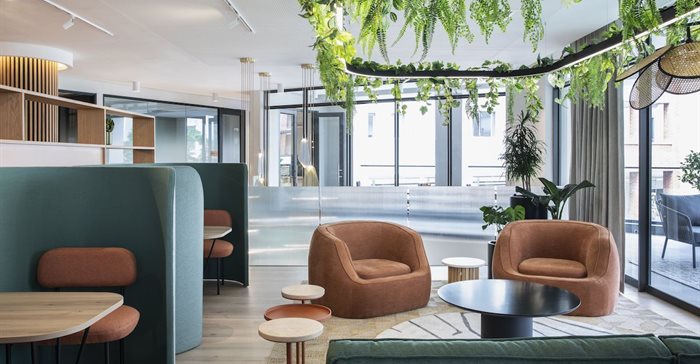
Biophilic Design: Integrating nature into the workplace is becoming increasingly important. Expect to see more natural light, indoor plants, and green walls to enhance air quality, reduce stress, and boost creativity.
Neurodiversity-Inclusive Design: Creating spaces that cater to diverse cognitive needs will be paramount. This includes quiet zones for focused work, collaborative hubs, and sensory-controlled areas to accommodate employees with different sensitivities.
Activity-Based Working (ABW): ABW offers employees a variety of work settings to choose from based on their tasks and preferences. This may include collaborative hubs, private booths, and open-plan areas.
Smart Offices: Technology will play a crucial role in the future of workspaces. Expect to see smart lighting, temperature control, and booking systems to optimize energy efficiency and enhance employee comfort.
Hybrid Workspaces: Designed to accommodate both in-office and remote employees, hybrid workspaces feature a mix of individual workstations, collaborative areas, and video conferencing facilities. This supports flexible work arrangements and promotes seamless communication between on-site and remote teams.
Emphasis on Sustainability: Environmentally conscious design will continue to gain traction. Sustainable materials, energy-efficient systems, and waste reduction strategies will be key considerations in creating eco-friendly workspaces.
Wellness-Focused Design: Prioritizing employee well-being is essential. Workspaces will incorporate fitness areas, meditation rooms, and healthy food options to support physical and mental health.
Resimercial Design: Blurring the lines between residential and commercial spaces, resimercial design creates a warm and inviting atmosphere. Expect comfortable furniture, soft lighting, and home-like amenities to enhance employee comfort and create a sense of belonging.
Multifunctional Spaces: Spaces that can be easily adapted for different purposes will be highly valued. Modular furniture, movable walls, and flexible layouts will allow for quick and easy reconfiguration to support various activities.
Community-Focused Design: Fostering a sense of community will be a key objective. Shared spaces, social areas, and community events will encourage interaction and collaboration among employees.
These trends demonstrate a shift towards creating human-centric workplaces that prioritize employee well-being, flexibility, and collaboration. By embracing these design principles, organizations can create environments that attract and retain top talent, boost productivity, and enhance overall business success.

