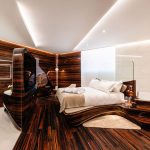
Home and Soul, a curated online marketplace, connects conscious consumers with ethical and sustainable homeware brands. Featuring a diverse range of products from independent artisans and designers, the platform prioritizes transparency and traceability, providing detailed information about the materials, production processes, and social impact of each item. This allows shoppers to make informed decisions and support businesses that align with their values, fostering a more mindful and responsible approach to home decor.
The European standing desk market is projected to experience significant growth, with a Compound Annual Growth Rate (CAGR) of 5.0% during the forecast period. This growth is driven by increasing awareness of the health risks associated with prolonged sitting and a growing demand for ergonomic office furniture. The market is witnessing a surge in adoption of standing desks across various sectors, including corporate offices, healthcare facilities, and educational institutions. Furthermore, advancements in standing desk technology, such as integrated features and customizable options, are further fueling market expansion.
The 2025 Inspired Home Show highlighted ten key trends shaping the housewares industry. Sustainability remained a dominant force, with eco-friendly materials and practices taking center stage. Functionality and versatility were also crucial, as consumers sought products offering multiple uses and space-saving designs. Wellness continued its upward trajectory, influencing everything from air purifiers to aromatherapy diffusers. Smart home technology integration expanded beyond simple automation, focusing on personalized experiences and enhanced connectivity. Nostalgia-driven designs experienced a resurgence, alongside a growing emphasis on handcrafted and artisanal goods. Color palettes shifted towards warmer, earthier tones, reflecting a desire for comfort and connection to nature. Outdoor living spaces gained importance, driving demand for durable and stylish furnishings. Finally, inclusive design and accessibility features emerged as key considerations, promoting usability for all.
Creating a dedicated self-care space at home can significantly improve well-being. This involves incorporating elements that appeal to all senses. Soft textures like plush rugs and cushions, calming colors, and gentle lighting create a soothing atmosphere. Introducing pleasant scents through aromatherapy diffusers or candles and incorporating calming sounds, like nature sounds or soft music, further enhances the relaxing ambiance. Personal touches, such as cherished books, inspiring artwork, or comfortable seating, make the space feel truly personal and inviting, promoting relaxation and rejuvenation.
Boosting productivity at work can be achieved through simple changes to your environment. Try keeping a minimalist and organized desk to reduce distractions. Use a standing desk or take short breaks for movement to combat lethargy. Natural light can enhance focus, so position your workspace accordingly. Incorporate plants to improve air quality and mood. Control your inbox by scheduling specific times to check and respond to emails, minimizing constant interruptions. Finally, personalize your workspace with inspiring elements to boost creativity and motivation.
The Romeo hotel in Rome offers a luxurious and stylish experience, blending historical elements with modern design. Its rooms and suites feature rich fabrics, designer furniture, and state-of-the-art technology. Guests can enjoy panoramic city views, indulge in gourmet dining at the Michelin-starred restaurant, and relax at the rooftop spa with a pool and Japanese-style garden. The hotel also incorporates unique artistic touches and boasts a curated contemporary art collection, contributing to a sophisticated and vibrant atmosphere.
Several natural appetite suppressants may offer healthier alternatives to trending quick-fix weight loss methods. These include fiber, which promotes satiety; protein, known for its filling effect; certain spices like cayenne pepper and ginger, which can boost metabolism; green tea, often associated with fat burning; plenty of water, which can help curb hunger; and adequate sleep, crucial for regulating appetite-controlling hormones. While these natural approaches may support weight management, they should be incorporated as part of a holistic healthy lifestyle and not as a replacement for a balanced diet and regular exercise.
Luxury bathrooms are evolving beyond mere functionality, transforming into personal spas reminiscent of high-end resorts. This shift is driven by a desire to create a sanctuary within the home, a space for relaxation and rejuvenation. Features like oversized soaking tubs, rainfall showers, heated floors, and natural light are becoming increasingly common. Designers are also incorporating elements like calming color palettes, natural materials, and spa-like amenities to enhance the sense of tranquility and escape.
Some companies are attempting to entice resistant employees back to the office with "recharge days," offering extra paid time off specifically designed for re-acclimating to in-person work. These days are intended to address employee burnout stemming from the commute and the shift away from remote work flexibility. However, some workers see this perk as a superficial attempt to address deeper concerns about work-life balance and the perceived loss of autonomy enjoyed during the pandemic's work-from-home period.
Lighter mornings offer a prime opportunity to refresh your bedroom for spring. Swapping heavy winter bedding for lighter, breathable fabrics like linen or cotton can instantly transform the feel of the room. Introducing brighter colors through cushions, throws, or even a fresh coat of paint on the walls can further enhance the feeling of lightness and airiness. Consider sheer curtains to maximize natural light and add a touch of spring blooms – real or faux – for a final flourish.