Home and Soul, a curated online marketplace, connects conscious consumers with ethical and sustainable homeware brands. Featuring a diverse range of products from independent artisans and designers, the platform prioritizes transparency and traceability, providing detailed information about the materials, production processes, and social impact of each item. This allows shoppers to make informed decisions and support businesses that align with their values, fostering a more mindful and responsible approach to home decor.
Integrating wellness into luxury home design involves focusing on elements that promote both physical and mental well-being. This can include incorporating natural light and ventilation, using non-toxic materials and finishes, creating dedicated spaces for relaxation and mindfulness, and incorporating biophilic design principles. Choosing calming color palettes, incorporating textures that evoke nature, and investing in high-quality air and water filtration systems are also key to creating a truly healthy and luxurious home environment.
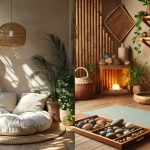
Creating a dedicated self-care space at home can significantly improve well-being. This involves incorporating elements that appeal to all senses. Soft textures like plush rugs and cushions, calming colors, and gentle lighting create a soothing atmosphere. Introducing pleasant scents through aromatherapy diffusers or candles and incorporating calming sounds, like nature sounds or soft music, further enhances the relaxing ambiance. Personal touches, such as cherished books, inspiring artwork, or comfortable seating, make the space feel truly personal and inviting, promoting relaxation and rejuvenation.
Corporate gardening programs are blossoming as businesses recognize their potential to cultivate not just plants, but employee well-being too. These initiatives offer a hands-on opportunity for employees to connect with nature, reduce stress, and foster a sense of community. From tending company plots to participating in workshops, employees are reaping the benefits of improved mental and physical health, increased engagement, and a stronger connection to their workplace. These programs are proving to be a fertile ground for boosting morale and fostering a more positive and productive work environment.
Some companies are attempting to entice resistant employees back to the office with "recharge days," offering extra paid time off specifically designed for re-acclimating to in-person work. These days are intended to address employee burnout stemming from the commute and the shift away from remote work flexibility. However, some workers see this perk as a superficial attempt to address deeper concerns about work-life balance and the perceived loss of autonomy enjoyed during the pandemic's work-from-home period.
Milan Design Week 2025 showcased a clear shift towards nature-inspired design, biophilia, and sustainability. From algae bio-panels and mycelium furniture to recycled ocean plastic, designers embraced natural materials and processes. Tactile textures, organic forms, and a muted, earthy colour palette dominated, creating calming and restorative spaces. This biophilic focus extended beyond aesthetics, emphasizing circular design principles and local production to minimize environmental impact. The event also highlighted the growing influence of digital technologies, merging the physical and digital worlds through augmented reality experiences and interactive installations.
Gen Z office workers are increasingly resistant to the expectation of working from the office, finding little incentive in commuting and facing higher costs without commensurate salary increases. They value flexibility and question the benefits of presenteeism, particularly when their work can be effectively performed remotely. This preference for remote work clashes with some employers' push for a return to the office, creating a disconnect between company expectations and the desires of younger employees.
The SunLED SunBooster is a novel device designed to enhance the effectiveness of indoor plants' light exposure. Mimicking natural sunlight, the booster attaches to standard LED lights and supplements the spectrum with far-red and deep-red wavelengths, crucial for robust plant growth and flowering. This supplemental light encourages stronger stems, fuller foliage, and increased fruit and flower production, addressing the common issue of insufficient light for indoor gardens. The adaptable design allows for use with various existing lighting setups, making it a convenient solution for improving the health and yield of indoor plants.
"Sleepmaxxing," a TikTok trend focused on prioritizing sleep above all else, raises questions about its true effectiveness. While experts acknowledge the importance of adequate sleep for physical and mental health, they caution against the potential downsides of extreme prioritization. Rigidly adhering to a strict sleep schedule might negatively impact social life and create anxiety around sleep, potentially worsening insomnia. Furthermore, while adequate sleep supports various health functions, it isn't a cure-all for conditions like depression or anxiety. A balanced approach to well-being, incorporating other healthy habits alongside sleep, is generally recommended.
The future of office design is focused on adaptability, sustainability, and employee well-being. Modular furniture and flexible layouts will allow for easy reconfiguration of spaces to accommodate changing needs, while biophilic design elements, incorporating natural light and greenery, will create calming and productive environments. Technology integration, including smart sensors and booking systems, will streamline operations and enhance the employee experience. Wellness initiatives, such as designated quiet zones and fitness areas, will prioritize employee health and well-being, contributing to a more positive and productive work environment. These trends aim to create a hybrid-friendly, collaborative, and engaging workspace that caters to the evolving needs of the modern workforce.