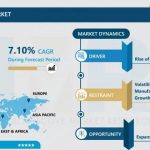
The global office furniture market is experiencing a significant surge in demand, driven by evolving workplace dynamics and a growing emphasis on employee well-being. Factors such as the rise of hybrid work models, the increasing adoption of activity-based working, and a greater focus on ergonomics are fueling this growth. Technological advancements, including integrated technology and smart furniture, are further contributing to market expansion. The demand for sustainable and eco-friendly furniture solutions is also playing a key role in shaping the market's trajectory.
The future of office design is focused on adaptability, sustainability, and employee well-being. Modular furniture and flexible layouts will allow for easy reconfiguration of spaces to accommodate changing needs, while biophilic design elements, incorporating natural light and greenery, will create calming and productive environments. Technology integration, including smart sensors and booking systems, will streamline operations and enhance the employee experience. Wellness initiatives, such as designated quiet zones and fitness areas, will prioritize employee health and well-being, contributing to a more positive and productive work environment. These trends aim to create a hybrid-friendly, collaborative, and engaging workspace that caters to the evolving needs of the modern workforce.
McKinsey & Company predicts a potential $800 billion decline in the value of global office buildings by 2030, driven by remote work and evolving workplace preferences. This substantial decrease reflects a shift in demand, as companies reassess their office needs and employees embrace hybrid work models. The analysis considers various factors, including reduced office footprints and lower lease renewal rates, indicating a significant and long-term impact on the commercial real estate market.
Gen Z's approach to work is sparking new trends like "career catfishing" and "office ghosting." Career catfishing involves embellishing or fabricating qualifications to land a job, while office ghosting refers to abruptly ceasing all communication and abandoning a role without notice. These behaviors, along with a greater willingness to quit jobs that don't meet expectations, reflect a shift in workplace dynamics and attitudes towards employment. This generation prioritizes work-life balance and mental well-being, sometimes leading to unconventional approaches to navigating their careers.