Sunken living rooms, also known as conversation pits, are making a comeback. This retro design element, popular in the 1970s, offers a cozy and intimate atmosphere, visually separating the space and creating a designated area for socializing. Modern iterations are incorporating updated materials and layouts, moving beyond the shag carpet and earth tones of the past to embrace sleeker lines, built-in seating, and a variety of textures and finishes that complement contemporary styles. This resurgence offers a fresh perspective on open-concept living, providing defined zones within larger spaces while retaining a sense of connection.
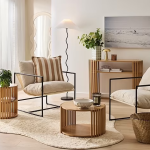
Warm neutrals, earthy tones, and nature-inspired hues are taking center stage, creating calming and inviting spaces. Textured walls, like limewash and roman clay, add depth and visual interest, while organic materials such as wood, stone, and rattan bring the outdoors in. Curves are softening lines in furniture and architectural details, offering a comforting contrast to the sleek minimalism of recent years. Sustainability is also key, with a focus on upcycled furniture, vintage finds, and natural, eco-friendly materials. These elements combine to create spaces that are both stylish and serene, promoting a sense of well-being and connection to nature.
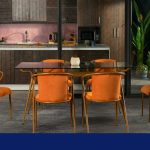
Embrace a blend of comfort and style in your dining area with 2025's top decor trends. Natural materials like wood and stone create a grounding atmosphere, complemented by the warmth of curved furniture and soft textiles. Bold accent colors and statement lighting fixtures add personality, while integrated technology seamlessly blends functionality and aesthetics. Consider incorporating biophilic design elements, such as indoor plants and natural light, to foster a tranquil and inviting space. Multifunctional furniture offers flexibility, allowing the dining area to adapt to various needs throughout the day.
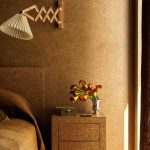
Warm, earthy tones are taking center stage, replacing cooler grays and stark whites. Think terracotta, ochre, and sandy hues paired with natural materials like wood, stone, and linen to create a soothing, grounded atmosphere. Layered lighting, from ambient to task-oriented, is also key for enhancing the mood and functionality of the bedroom. Additionally, curves are in, softening the lines of furniture and decor, from arched headboards to rounded mirrors and sculptural lighting, adding a touch of organic elegance.
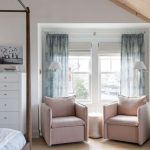
Layered window treatments are gaining popularity, combining sheer curtains with heavier drapes or blinds for both light control and aesthetic depth. Natural materials like bamboo, linen, and jute are also trending, bringing texture and an organic feel to interiors. Automated smart blinds and shades continue to rise in popularity, offering convenience and energy efficiency, while bold patterns and colors are being embraced for those seeking to make a statement. Roman shades remain a classic choice, offering a tailored look, but are being updated with interesting textures and patterns.
Kmart Australia is set to launch a new homewares range in 2025, focusing on "affordable luxury" and incorporating key trends like warm neutrals, natural textures, statement lighting, and curves. The collection aims to offer high-end aesthetics at accessible prices, allowing customers to easily elevate their living spaces with on-trend pieces. Design elements like bouclé, timber, and metallic accents will feature prominently, catering to the growing consumer desire for sophisticated and comfortable interiors.
Warm woods, curvy shapes, and vintage-inspired pieces are predicted to take center stage in furniture trends leading up to 2025. Expect to see a rise in natural materials like walnut, cherry, and oak, often paired with textured fabrics such as bouclé and mohair. Rounded sofas, arched doorways, and sculptural furniture will continue to gain popularity, softening the hard lines of modern design. Additionally, the resurgence of antique and vintage furniture, or new pieces inspired by classic designs, will offer a sense of timeless elegance and sustainability.
Warm, earthy tones are set to dominate interiors in 2025, moving away from cooler grays. Nature-inspired textures like wood, stone, and terracotta will be prominent, alongside curved furniture and architectural details that soften spaces. Sustainability remains a driving force, with upcycled furniture and eco-friendly materials gaining popularity. Smart home technology integrates seamlessly, enhancing functionality and convenience while maximizing energy efficiency. Finally, Japandi – a blend of Japanese minimalism and Scandinavian functionality – continues its rise, emphasizing clean lines, natural light, and a sense of calm.
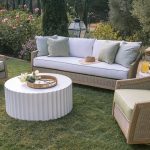
Outdoor furniture trends for 2025 are leaning towards "resimercial" design, blending residential comfort with commercial durability. This translates to sophisticated, plush seating groups crafted from weather-resistant materials. Warm, earthy tones are gaining popularity, along with natural materials like teak and wicker, often accented by performance fabrics in vibrant colors. Modular designs continue to be favored for their flexibility, while fire pits and other warming elements extend the outdoor season. Sustainability is also key, with recycled and eco-friendly materials becoming increasingly important to consumers.
Certain furniture trends are losing their appeal as we head into 2025. Overly ornate furniture, including tufted headboards and excessively embellished pieces, feels fussy and dated. Matchy-matchy furniture sets are also falling out of favor, as are bulky entertainment centers designed for large, outdated TVs. Fast furniture, known for its low quality and trend-driven designs, is being replaced by a desire for sustainable, timeless pieces. Similarly, stark minimalist spaces are giving way to warmer, more inviting interiors. Other trends on the decline include chevron patterns, farmhouse style, and all-white kitchens.