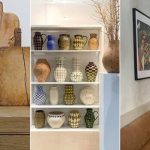
Curves are back in a big way, softening the hard lines that have dominated interiors for years. From arched doorways and rounded furniture to circular mirrors and curved kitchen islands, this design trend adds a sense of flow and dynamism to a space. More than just a fleeting fad, curves have a timeless appeal, echoing the natural world and creating a sense of comfort and harmony. This resurgence embraces curves in both subtle and striking ways, offering a fresh perspective on contemporary design and a touch of softness in an increasingly angular world.
Milan Design Week 2023 revealed a shift towards nature-inspired design, multifunctional modular furniture, and tactile, textural experiences. Warm, earthy tones like terracotta and ochre dominated alongside natural materials such as wood, stone, and linen. Sustainability remained a key focus, with designers prioritizing recycled and upcycled materials and exploring biophilic design principles. Modular and adaptable furniture designs catered to evolving lifestyles, while the embrace of handcrafted pieces and rich textures offered a sense of comfort and connection in an increasingly digital world.
"Lagom," a Swedish concept emphasizing balance and moderation, is predicted to be a significant design trend in 2025. This aesthetic focuses on creating spaces that are both functional and beautiful, avoiding excess and embracing a sense of "just enough." It incorporates natural materials, calming color palettes, and clutter-free environments to foster a sense of peace and well-being. The trend reflects a growing desire for mindful living and sustainable practices, promoting longevity in design choices and reducing overall consumption.
Embrace a sense of playful whimsy and vibrant energy in your home decor with the latest Pinterest-approved trends. These playful interiors incorporate elements like checkerboard prints, colorful wavy mirrors, bold and saturated hues, and dopamine decor, creating a space that sparks joy and reflects individual personality. From nostalgic Y2K aesthetics to statement lighting and handcrafted details, these trends encourage creativity and self-expression, transforming homes into vibrant and personalized sanctuaries.
"Warm minimalism" is poised to be the defining design trend of 2025, moving away from the starkness often associated with minimalism. This evolving aesthetic embraces natural materials like wood and stone, incorporates handcrafted items, and prioritizes functionality. The focus is on creating calming, inviting spaces that feel lived-in and personal, incorporating sentimental objects and prioritizing comfort alongside clean lines and decluttered surfaces. The trend reflects a desire for serene, grounding environments in response to increasingly hectic and technology-driven lives.
Warm, earthy tones like terracotta, ochre, and burnt sienna are gaining popularity, reflecting a desire for grounding and connection to nature. These hues are being incorporated through paint colours, furniture, textiles, and decorative accessories. Alongside this trend, curved furniture and architectural details are softening interiors, creating a more organic and comforting atmosphere. Sustainability continues to be a key focus, with an emphasis on natural materials like wood, stone, and linen, as well as upcycled and vintage pieces. Textured fabrics and handcrafted items add layers of visual interest and tactile warmth.
Warm minimalism is set to be a defining trend in interior design. This aesthetic blends the clean lines and uncluttered spaces of minimalism with cozy textures, rich colors, and natural materials like wood and stone. Curves, arches, and rounded furniture soften the often stark feel of traditional minimalism, creating inviting and comfortable environments. Sustainability is also key, with a focus on upcycled furniture, vintage finds, and handcrafted pieces. This trend moves away from the starkness of all-white spaces and embraces a more lived-in, personalized atmosphere.
Warm neutrals, earthy tones, and nature-inspired hues are taking center stage, creating calming and inviting spaces. Textured walls, like limewash and roman clay, add depth and visual interest, while organic materials such as wood, stone, and rattan bring the outdoors in. Curves are softening lines in furniture and architectural details, offering a comforting contrast to the sleek minimalism of recent years. Sustainability is also key, with a focus on upcycled furniture, vintage finds, and natural, eco-friendly materials. These elements combine to create spaces that are both stylish and serene, promoting a sense of well-being and connection to nature.
Expect a fusion of technological advancements and nostalgic aesthetics in 2025's design landscape. AI-generated art will become increasingly sophisticated, offering personalized and unique design elements. Retro-futurism, blending vintage charm with futuristic elements, will be a prominent theme. Sustainability continues to drive design choices, with biophilic design and upcycled materials taking center stage. The metaverse's influence will also manifest in vibrant, escapist designs, while inclusive design practices will prioritize accessibility and diverse representation.
Warm, earthy tones are set to dominate interiors in 2025, moving away from cooler grays. Nature-inspired textures like wood, stone, and terracotta will be prominent, alongside curved furniture and architectural details that soften spaces. Sustainability remains a driving force, with upcycled furniture and eco-friendly materials gaining popularity. Smart home technology integrates seamlessly, enhancing functionality and convenience while maximizing energy efficiency. Finally, Japandi – a blend of Japanese minimalism and Scandinavian functionality – continues its rise, emphasizing clean lines, natural light, and a sense of calm.