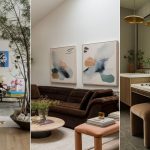
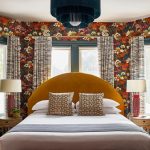
Burl wood, with its mesmerizing, swirling grain patterns, is experiencing a resurgence in popularity within contemporary interiors. From small decorative objects like bowls and trays to larger statement pieces such as coffee tables and consoles, burl wood adds a touch of organic artistry and textural richness. Its unique, knotty appearance, a result of a tree's response to stress or injury, creates a dramatic and visually captivating element in any space, adding depth and warmth to minimalist or maximalist designs alike. This luxurious material is often incorporated into furniture with clean lines and simple silhouettes, allowing the natural beauty of the burl to take center stage.
"Lagom," a Swedish concept emphasizing balance and moderation, is predicted to be a significant design trend in 2025. This aesthetic focuses on creating spaces that are both functional and beautiful, avoiding excess and embracing a sense of "just enough." It incorporates natural materials, calming color palettes, and clutter-free environments to foster a sense of peace and well-being. The trend reflects a growing desire for mindful living and sustainable practices, promoting longevity in design choices and reducing overall consumption.
"Warm minimalism" is poised to be the defining design trend of 2025, moving away from the starkness often associated with minimalism. This evolving aesthetic embraces natural materials like wood and stone, incorporates handcrafted items, and prioritizes functionality. The focus is on creating calming, inviting spaces that feel lived-in and personal, incorporating sentimental objects and prioritizing comfort alongside clean lines and decluttered surfaces. The trend reflects a desire for serene, grounding environments in response to increasingly hectic and technology-driven lives.
Warm neutrals, earthy tones, and nature-inspired hues are taking center stage, creating calming and inviting spaces. Textured walls, like limewash and roman clay, add depth and visual interest, while organic materials such as wood, stone, and rattan bring the outdoors in. Curves are softening lines in furniture and architectural details, offering a comforting contrast to the sleek minimalism of recent years. Sustainability is also key, with a focus on upcycled furniture, vintage finds, and natural, eco-friendly materials. These elements combine to create spaces that are both stylish and serene, promoting a sense of well-being and connection to nature.
Modern organic style continues to be a sought-after trend in interior design. Characterized by natural materials, neutral colors, and curved lines, it creates spaces that feel both contemporary and comforting. Textured elements like wood, stone, and rattan are key, alongside soft textiles like linen and wool. The focus is on creating a calming, inviting atmosphere that celebrates nature's imperfections and embraces a connection to the outdoors.
Warm minimalism, characterized by natural materials and organic shapes, is predicted to be a significant furniture trend. Statement lighting, including sculptural and oversized pieces, will continue to play a key role, alongside a growing emphasis on sustainable and eco-friendly materials like bamboo and recycled plastics. Versatile, multi-functional furniture designed for smaller spaces is also gaining popularity, as is the resurgence of vintage and antique pieces that add character and a sense of history to a room. Textured fabrics, including bouclé, velvet, and corduroy, are expected to remain prominent, adding depth and tactile appeal to furniture designs. Finally, curved furniture with soft lines and rounded edges is anticipated to soften the hard lines of contemporary interiors.
Warmer tones are emerging as a key trend in kitchen design, moving away from the cooler grays that have dominated in recent years. Expect to see richer browns, including chocolate and coffee hues, as well as warmer neutrals like taupe, mushroom, and beige. These inviting shades extend beyond cabinetry to encompass countertops, backsplashes, and even appliances, creating a more welcoming and organic atmosphere. The incorporation of natural materials like wood, stone, and marble further enhances this trend, fostering a connection to nature within the kitchen space.