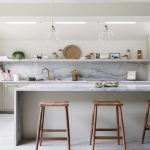
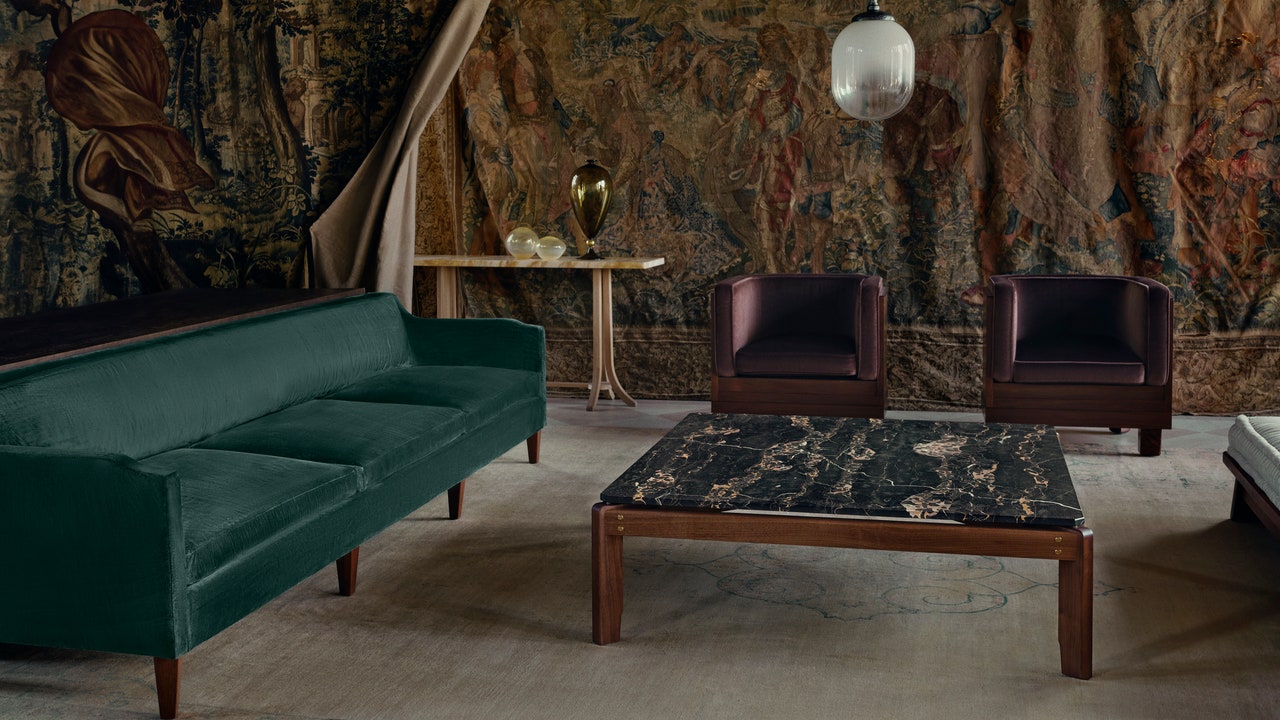
Quiet luxury in the kitchen is about investing in high-quality, understated design that prioritizes functionality and longevity. It favors natural materials like marble, wood, and linen, often in a neutral palette, creating a serene and sophisticated space. Clean lines, integrated appliances, and a lack of ornamentation contribute to the overall sense of calm and refinement, emphasizing the beauty of the materials and craftsmanship rather than ostentatious displays.
Milan Design Week 2023 revealed a shift towards nature-inspired design, multifunctional modular furniture, and tactile, textural experiences. Warm, earthy tones like terracotta and ochre dominated alongside natural materials such as wood, stone, and linen. Sustainability remained a key focus, with designers prioritizing recycled and upcycled materials and exploring biophilic design principles. Modular and adaptable furniture designs catered to evolving lifestyles, while the embrace of handcrafted pieces and rich textures offered a sense of comfort and connection in an increasingly digital world.
Anne Hathaway's recently revealed living room exudes warmth and minimalist style, highlighting a popular furniture trend: curved furniture. The soft lines and organic shapes, evident in her plush sofa and rounded armchair, create a welcoming and inviting atmosphere. This design choice, moving away from harsh angles and boxy silhouettes, promotes a sense of flow and comfort, proving the enduring appeal of curved pieces.
"Lagom," a Swedish concept emphasizing balance and moderation, is predicted to be a significant design trend in 2025. This aesthetic focuses on creating spaces that are both functional and beautiful, avoiding excess and embracing a sense of "just enough." It incorporates natural materials, calming color palettes, and clutter-free environments to foster a sense of peace and well-being. The trend reflects a growing desire for mindful living and sustainable practices, promoting longevity in design choices and reducing overall consumption.
"Warm minimalism" is poised to be the defining design trend of 2025, moving away from the starkness often associated with minimalism. This evolving aesthetic embraces natural materials like wood and stone, incorporates handcrafted items, and prioritizes functionality. The focus is on creating calming, inviting spaces that feel lived-in and personal, incorporating sentimental objects and prioritizing comfort alongside clean lines and decluttered surfaces. The trend reflects a desire for serene, grounding environments in response to increasingly hectic and technology-driven lives.
Spring 2025 decor trends are embracing a renewed sense of vibrancy and optimism. Warm colors like apricot, terracotta, and ochre are taking center stage, alongside nature-inspired hues of greens and blues. Tactile textures, from bouclé and linen to chunky knits and rattan, add layers of interest and comfort. Decorative lighting plays a key role, with sculptural forms and ambient glows creating a welcoming atmosphere. Sustainability remains a focus, with natural materials and handcrafted pieces adding character and reducing environmental impact. Overall, the aesthetic is a blend of playful energy, comforting warmth, and conscious design.
Warm minimalism is set to be a defining trend in interior design. This aesthetic blends the clean lines and uncluttered spaces of minimalism with cozy textures, rich colors, and natural materials like wood and stone. Curves, arches, and rounded furniture soften the often stark feel of traditional minimalism, creating inviting and comfortable environments. Sustainability is also key, with a focus on upcycled furniture, vintage finds, and handcrafted pieces. This trend moves away from the starkness of all-white spaces and embraces a more lived-in, personalized atmosphere.
Warm neutrals, earthy tones, and nature-inspired hues are taking center stage, creating calming and inviting spaces. Textured walls, like limewash and roman clay, add depth and visual interest, while organic materials such as wood, stone, and rattan bring the outdoors in. Curves are softening lines in furniture and architectural details, offering a comforting contrast to the sleek minimalism of recent years. Sustainability is also key, with a focus on upcycled furniture, vintage finds, and natural, eco-friendly materials. These elements combine to create spaces that are both stylish and serene, promoting a sense of well-being and connection to nature.
Expect a fusion of technological advancements and nostalgic aesthetics in 2025's design landscape. AI-generated art will become increasingly sophisticated, offering personalized and unique design elements. Retro-futurism, blending vintage charm with futuristic elements, will be a prominent theme. Sustainability continues to drive design choices, with biophilic design and upcycled materials taking center stage. The metaverse's influence will also manifest in vibrant, escapist designs, while inclusive design practices will prioritize accessibility and diverse representation.
Warm minimalism is on the rise, blending the clean lines of minimalism with inviting textures and cozy elements. Earthy palettes, natural materials like wood and stone, and handcrafted objects add personality and warmth to streamlined spaces. Curves are also making a comeback, softening the hard edges often found in minimalist design. Alongside this, statement lighting takes center stage, with sculptural and artistic pieces adding drama and becoming focal points within a room. Finally, a focus on sustainability is increasingly important, with designers and homeowners prioritizing eco-friendly materials, vintage and antique pieces, and locally sourced décor.