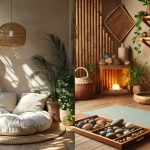
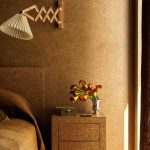
Integrating wellness into luxury home design involves focusing on elements that promote both physical and mental well-being. This can include incorporating natural light and ventilation, using non-toxic materials and finishes, creating dedicated spaces for relaxation and mindfulness, and incorporating biophilic design principles. Choosing calming color palettes, incorporating textures that evoke nature, and investing in high-quality air and water filtration systems are also key to creating a truly healthy and luxurious home environment.
Interiors in 2025 are predicted to embrace a softer, warmer aesthetic. Think butter yellow hues, curvy furniture inspired by Stella McCartney's mushroom desk chair, and textured, "Mediterranean modernism" influenced by shows like "White Lotus." Ceilings, as seen in Kris Jenner's home, will become statement pieces, adorned with decorative paint or wallpaper. This shift moves away from the stark minimalism of recent years towards a more comforting and personalized space.
Four emerging wellness design trends are reshaping homes and impacting the building materials industry. These trends include prioritizing adaptable and flexible spaces that can evolve with changing needs, incorporating biophilic design to seamlessly connect indoor and outdoor environments, creating calming "sanctuary spaces" within the home for stress reduction, and implementing "layered lighting" strategies that mimic natural light cycles to improve circadian rhythms and overall well-being. These trends reflect a growing consumer demand for homes that actively promote physical and mental health.
Warm minimalism is set to be a defining trend in interior design. This aesthetic blends the clean lines and uncluttered spaces of minimalism with cozy textures, rich colors, and natural materials like wood and stone. Curves, arches, and rounded furniture soften the often stark feel of traditional minimalism, creating inviting and comfortable environments. Sustainability is also key, with a focus on upcycled furniture, vintage finds, and handcrafted pieces. This trend moves away from the starkness of all-white spaces and embraces a more lived-in, personalized atmosphere.
Warm neutrals, earthy tones, and nature-inspired hues are taking center stage, creating calming and inviting spaces. Textured walls, like limewash and roman clay, add depth and visual interest, while organic materials such as wood, stone, and rattan bring the outdoors in. Curves are softening lines in furniture and architectural details, offering a comforting contrast to the sleek minimalism of recent years. Sustainability is also key, with a focus on upcycled furniture, vintage finds, and natural, eco-friendly materials. These elements combine to create spaces that are both stylish and serene, promoting a sense of well-being and connection to nature.
Warm, earthy tones are taking center stage, replacing cooler grays and stark whites. Think terracotta, ochre, and sandy hues paired with natural materials like wood, stone, and linen to create a soothing, grounded atmosphere. Layered lighting, from ambient to task-oriented, is also key for enhancing the mood and functionality of the bedroom. Additionally, curves are in, softening the lines of furniture and decor, from arched headboards to rounded mirrors and sculptural lighting, adding a touch of organic elegance.