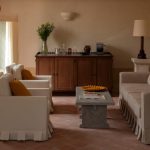
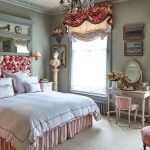
Skirted furniture, once reminiscent of outdated styles, is experiencing a resurgence in popularity. From sofas and beds to vanities and tables, the addition of a fabric skirt offers a softer, more romantic aesthetic to a space. This trend allows for creative customization, with a wide array of fabrics, patterns, and colors to choose from, enabling homeowners to easily update existing pieces or create a cohesive design scheme. The versatility of skirted furniture lends itself to various interior styles, from traditional to contemporary, making it a fresh and adaptable design choice.
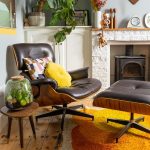
Swivel chairs are having a moment, transitioning from a functional office piece to a stylish living room staple. Their versatility allows them to easily adapt to different layouts and conversational settings, while adding a touch of retro charm. From sleek and modern designs to plush, inviting textures, swivel chairs offer both comfort and a dynamic element, making them a popular choice for contemporary living spaces.
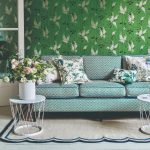
Adding contrast piping to sofas is emerging as a popular micro-trend. This simple detail elevates a basic sofa, creating a sophisticated, designer-look piece. From bold, contrasting colors to subtle, tonal variations, piping adds a touch of personality and visual interest. Whether it's a vibrant velvet or a classic linen sofa, piping offers a customizable element to enhance the overall aesthetic and tailor it to individual style preferences. It's a cost-effective way to update existing furniture or create a bespoke piece without the designer price tag.
Warm minimalism is set to be a defining trend in interior design. This aesthetic blends the clean lines and uncluttered spaces of minimalism with cozy textures, rich colors, and natural materials like wood and stone. Curves, arches, and rounded furniture soften the often stark feel of traditional minimalism, creating inviting and comfortable environments. Sustainability is also key, with a focus on upcycled furniture, vintage finds, and handcrafted pieces. This trend moves away from the starkness of all-white spaces and embraces a more lived-in, personalized atmosphere.
Certain interior design trends have demonstrated remarkable staying power over the past two decades. Neutral color palettes, particularly beige and gray, continue to be popular for their versatility and calming effect. Natural materials like wood and stone maintain their appeal, bringing an organic and textural element to spaces. The open-plan concept remains a sought-after layout, fostering a sense of spaciousness and connectivity. Similarly, minimalist design principles endure, promoting clean lines, clutter-free environments, and a focus on functionality. Finally, the incorporation of indoor plants, whether a few strategically placed pots or a dedicated living wall, continues to thrive, adding life and vibrancy to interiors.
Castlecore embraces a romanticized, opulent aesthetic inspired by historic castles and grand estates. Think rich velvets, antique or antique-inspired furnishings, tapestries, candelabras, and ornate details like carved wood or wrought iron. Color palettes range from jewel tones like emerald green and ruby red to softer shades of cream, beige, and gold, creating a sense of history and fairytale-like grandeur. This trend goes beyond simply incorporating a few medieval elements; it's about cultivating an atmosphere of old-world charm and regal splendor within the home.
Sunken living rooms, also known as conversation pits, are making a comeback. This retro design element, popular in the 1970s, offers a cozy and intimate atmosphere, visually separating the space and creating a designated area for socializing. Modern iterations are incorporating updated materials and layouts, moving beyond the shag carpet and earth tones of the past to embrace sleeker lines, built-in seating, and a variety of textures and finishes that complement contemporary styles. This resurgence offers a fresh perspective on open-concept living, providing defined zones within larger spaces while retaining a sense of connection.
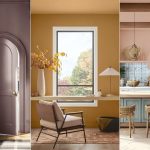
Several paint brands have announced their 2025 Colors of the Year, and they offer a collective glimpse into emerging design trends. Ranging from deep, grounding browns and terracotta hues to softer, hazy blues and greens, these selections suggest a move towards both nature-inspired palettes and a renewed appreciation for warmth and comfort in the home. The chosen colors reflect a desire for spaces that foster a sense of calm and connection, hinting at a shift away from cooler, more minimalist aesthetics. This points to a growing trend of embracing rich, enveloping tones that promote well-being and create a cozy, inviting atmosphere.
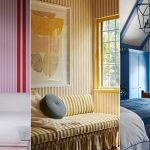
Stripe-drenching, the maximalist trend of enveloping rooms in vibrant stripes of varying widths and directions, is taking over interior design. From walls and ceilings to furniture and accessories, stripes are no longer a subtle accent but the dominant design element. This bold approach creates a dynamic and energetic atmosphere, offering a modern twist on traditional stripe usage. Whether it's a cohesive color palette or a clash of contrasting hues, stripe-drenching allows for playful experimentation and personalized expression within a space.
Warm neutrals, earthy tones, and nature-inspired hues are taking center stage, creating calming and inviting spaces. Textured walls, like limewash and roman clay, add depth and visual interest, while organic materials such as wood, stone, and rattan bring the outdoors in. Curves are softening lines in furniture and architectural details, offering a comforting contrast to the sleek minimalism of recent years. Sustainability is also key, with a focus on upcycled furniture, vintage finds, and natural, eco-friendly materials. These elements combine to create spaces that are both stylish and serene, promoting a sense of well-being and connection to nature.