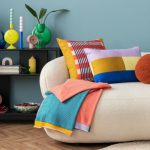
Living Room Trends Predicted to be Huge in 2025 Get ready for living rooms that prioritize comfort, sustainability, and personality. Experts predict a move away from fleeting trends towards timeless design and mindful decorating. 1. Japandi's Continued Reign The popular fusion of Japanese minimalism and Scandinavian functionality continues its rise. Expect clean lines, neutral palettes, […]
Upcycled broth is emerging as a sustainable solution in the food industry, addressing food waste and promoting circularity. By utilizing leftover bones, vegetable scraps, and other food byproducts from restaurants and food production, companies are crafting flavorful and nutritious broths. This process not only minimizes waste but also offers economic benefits to businesses and provides consumers with a cost-effective, eco-conscious product. This trend aligns with growing consumer demand for sustainable food options and contributes to a more resourceful and environmentally responsible food system.
In 2025, homes will embrace flexibility and multi-functionality. Modular furniture, adaptable layouts, and clever storage solutions will be key for maximizing space. Warm, inviting colors combined with natural materials like wood and stone will create a sense of calm, while playful accents and personal touches will inject individuality. Sustainability remains crucial, with upcycled and repurposed items gaining popularity alongside a focus on durable, long-lasting design. Ultimately, creating a space that reflects personal values and promotes wellbeing will be paramount.
Warm minimalism is set to be a defining trend in interior design. This aesthetic blends the clean lines and uncluttered spaces of minimalism with cozy textures, rich colors, and natural materials like wood and stone. Curves, arches, and rounded furniture soften the often stark feel of traditional minimalism, creating inviting and comfortable environments. Sustainability is also key, with a focus on upcycled furniture, vintage finds, and handcrafted pieces. This trend moves away from the starkness of all-white spaces and embraces a more lived-in, personalized atmosphere.
Warm neutrals, earthy tones, and nature-inspired hues are taking center stage, creating calming and inviting spaces. Textured walls, like limewash and roman clay, add depth and visual interest, while organic materials such as wood, stone, and rattan bring the outdoors in. Curves are softening lines in furniture and architectural details, offering a comforting contrast to the sleek minimalism of recent years. Sustainability is also key, with a focus on upcycled furniture, vintage finds, and natural, eco-friendly materials. These elements combine to create spaces that are both stylish and serene, promoting a sense of well-being and connection to nature.
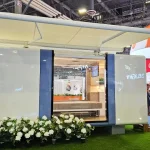
CES 2025 showcased a resurgence of sustainable tiny homes, featuring innovations like solar power, water recycling, and composting toilets. These advancements move beyond mere novelty, offering practical, eco-conscious solutions for off-grid living. Companies like LumiPod, Boxabl, and Kodasema highlighted prefabricated designs emphasizing speed of construction and minimal environmental impact, potentially revolutionizing homeownership with affordable and customizable options.
Expect a fusion of technological advancements and nostalgic aesthetics in 2025's design landscape. AI-generated art will become increasingly sophisticated, offering personalized and unique design elements. Retro-futurism, blending vintage charm with futuristic elements, will be a prominent theme. Sustainability continues to drive design choices, with biophilic design and upcycled materials taking center stage. The metaverse's influence will also manifest in vibrant, escapist designs, while inclusive design practices will prioritize accessibility and diverse representation.
Minimalism continues its reign in home design, influencing not only aesthetics but also material choices. Natural materials like stone, wood, concrete, and linen are favored for their inherent texture and connection to nature. These materials contribute to a calming, uncluttered environment, reflecting the minimalist principle of "less is more." The focus is on quality over quantity, with durable, sustainable materials chosen for longevity and minimal environmental impact. This trend embraces imperfection and celebrates the natural beauty of raw materials, adding character and authenticity to minimalist spaces.
IKEA's 2025 spring collection, HÄGGMISPEL, emphasizes natural materials and craftsmanship, drawing inspiration from traditional Scandinavian design. The collection, featuring furniture, textiles, and decorative accessories, utilizes materials like sustainably sourced wood, natural fibers, and recycled materials. Key pieces include a modular sofa system, a handcrafted dining table, and a series of woven rugs and throws. The HÄGGMISPEL collection aims to create a sense of calm and connection to nature within the home.
Expect to see a continued emphasis on sustainability and health-conscious eating in 2025. Plant-based foods will remain popular, with explorations into new protein sources like seaweed and insects. Upcycled foods, created from byproducts of food processing, will gain traction as consumers become more aware of food waste. Functionality will also be key, with foods offering benefits like gut health support and stress reduction. Finally, personalized nutrition and customized meal plans will become more accessible, allowing individuals to tailor their diets to their specific needs.