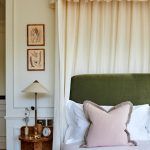
Isabella Rossellini's guest room decor prioritizes comfort and a touch of vintage charm. A cozy, patterned armchair provides a welcoming spot to relax, complemented by a plush velvet headboard on the bed. Rossellini opted for a neutral color palette with pops of color introduced through artwork and textiles. Antique furniture pieces add character, creating a space that feels both elegant and inviting.
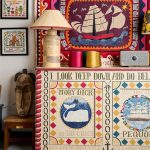
Folk decor embraces handcrafted items, natural materials, and vibrant, often mismatched, patterns. This style celebrates imperfection and personal expression, creating a warm and inviting atmosphere. Think embroidered textiles, painted furniture, woven baskets, and pottery with simple, nature-inspired motifs. It's a look that layers textures and colors, drawing inspiration from traditional crafts and folklore to tell a story within the home.
1stDibs' latest vintage shopping report reveals a surge in demand for bold colors and whimsical designs, reflecting a desire for joyful and personalized interiors. Searches for colorful Murano glass, sculptural lighting, and vibrant ceramics have seen significant increases. This trend extends to furniture, with brightly upholstered pieces and statement-making designs gaining popularity. The report also highlights a growing interest in vintage and antique outdoor furniture, as people continue to invest in their home's exterior spaces.
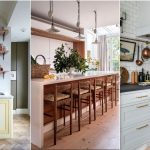
Antique elements can infuse a farmhouse kitchen with warmth, character, and a touch of history. Consider incorporating vintage furniture like a weathered farmhouse table, a repurposed dresser as a kitchen island, or enamelware topped stools. Antique lighting, such as an industrial pendant light or a salvaged chandelier, can create a focal point. Smaller antique accents, like vintage scales, crocks, or wire baskets, contribute to the overall aesthetic. Architectural salvage, such as reclaimed wood beams or antique corbels, can also enhance the farmhouse charm. By blending old and new, you can achieve a timeless and inviting farmhouse kitchen design.
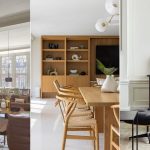
Eclectic minimalism is emerging as a popular design trend, blending the curated simplicity of minimalism with the personalized character of eclectic style. This approach embraces a "less is more" philosophy, but allows for the inclusion of cherished possessions and unique, eye-catching items that spark joy and reflect individual personality. Instead of stark, bare spaces, eclectic minimalism utilizes a neutral base palette and incorporates thoughtfully chosen pieces with varying textures, patterns, and colors, creating a visually interesting and inviting atmosphere. The key is to strike a balance between minimalism's clean aesthetic and the vibrancy of eclecticism, resulting in a space that feels both calming and expressive.
Warm neutrals, earthy tones, and nature-inspired hues are taking center stage, creating calming and inviting spaces. Textured walls, like limewash and roman clay, add depth and visual interest, while organic materials such as wood, stone, and rattan bring the outdoors in. Curves are softening lines in furniture and architectural details, offering a comforting contrast to the sleek minimalism of recent years. Sustainability is also key, with a focus on upcycled furniture, vintage finds, and natural, eco-friendly materials. These elements combine to create spaces that are both stylish and serene, promoting a sense of well-being and connection to nature.
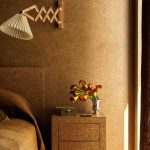
Warm, earthy tones are taking center stage, replacing cooler grays and stark whites. Think terracotta, ochre, and sandy hues paired with natural materials like wood, stone, and linen to create a soothing, grounded atmosphere. Layered lighting, from ambient to task-oriented, is also key for enhancing the mood and functionality of the bedroom. Additionally, curves are in, softening the lines of furniture and decor, from arched headboards to rounded mirrors and sculptural lighting, adding a touch of organic elegance.
Modern country style is having a resurgence, blending traditional elements with contemporary updates. Think rustic textures like linen and wicker alongside sleek marble and modern lighting. Darker, moodier color palettes are replacing the traditional light and airy aesthetic, with deep greens, blues, and blacks adding a sense of sophistication. Antique or vintage furniture remains a key element, but it's now being mixed with modern pieces for an eclectic feel. The focus is on creating a space that feels both cozy and stylish, with a touch of lived-in charm.
Warm, earthy tones are set to dominate interiors in 2025, moving away from cooler grays. Nature-inspired textures like wood, stone, and terracotta will be prominent, alongside curved furniture and architectural details that soften spaces. Sustainability remains a driving force, with upcycled furniture and eco-friendly materials gaining popularity. Smart home technology integrates seamlessly, enhancing functionality and convenience while maximizing energy efficiency. Finally, Japandi – a blend of Japanese minimalism and Scandinavian functionality – continues its rise, emphasizing clean lines, natural light, and a sense of calm.
The past decade has witnessed a fascinating evolution of interior design trends. From the rise of mid-century modern and Scandinavian minimalism to the resurgence of maximalism and grand millennial style, homes have embraced both streamlined aesthetics and bold, personalized touches. Natural materials, such as wood and stone, have gained prominence, alongside a growing focus on sustainability and biophilic design, bringing the outdoors in. Technological advancements have also shaped interiors, with smart home features becoming increasingly integrated into design. Color palettes have shifted from cool grays to warmer, earthier tones, and textured surfaces, like bouclé and velvet, have added depth and tactile interest to spaces.