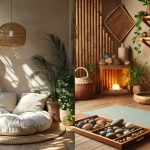
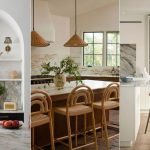
Integrating wellness into luxury home design involves focusing on elements that promote both physical and mental well-being. This can include incorporating natural light and ventilation, using non-toxic materials and finishes, creating dedicated spaces for relaxation and mindfulness, and incorporating biophilic design principles. Choosing calming color palettes, incorporating textures that evoke nature, and investing in high-quality air and water filtration systems are also key to creating a truly healthy and luxurious home environment.
Windowless rooms can feel cramped and dark, but clever decorating can transform them into inviting spaces. Maximize artificial lighting with layered sources like overhead fixtures, sconces, and table lamps. Mirrors can create the illusion of windows and bounce light around the room. Light and bright paint colors on walls and ceilings help expand the perceived space, while strategic use of artwork and decorative accents can add depth and interest. Consider adding faux windows, complete with treatments, or incorporating indoor plants to bring life and vibrancy to the space.
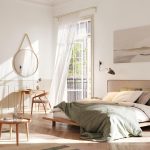
Lighter mornings offer a prime opportunity to refresh your bedroom for spring. Swapping heavy winter bedding for lighter, breathable fabrics like linen or cotton can instantly transform the feel of the room. Introducing brighter colors through cushions, throws, or even a fresh coat of paint on the walls can further enhance the feeling of lightness and airiness. Consider sheer curtains to maximize natural light and add a touch of spring blooms – real or faux – for a final flourish.
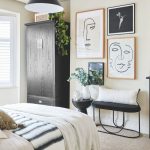
Positioning a wardrobe incorrectly can significantly impact a bedroom's functionality and feel. Avoid placing it directly opposite a door, as this can create a cramped and unwelcoming entrance. Similarly, situating a wardrobe against a window blocks natural light, making the room feel smaller and darker. Consider the flow of traffic and ensure the wardrobe doesn't obstruct pathways or create awkward angles. Finally, avoid placing it too close to the bed, which can make the space feel cluttered and restrict movement.
Coastal Scandifornia design is a rising trend that blends Scandinavian minimalism with the relaxed, airy feel of coastal aesthetics. This style emphasizes natural light, organic materials like wood and rattan, and a neutral color palette punctuated by pops of blues and greens inspired by the ocean. Key elements include light wood flooring, woven textures, and simple, functional furniture. The overall effect is a serene and inviting space that evokes both the cozy hygge of Scandinavian design and the breezy tranquility of coastal living.
Homebuyers in 2025 are prioritizing future-proof designs focused on sustainability, flexibility, and well-being. This translates to features like solar panels and rainwater harvesting, adaptable spaces that can change with family needs, and a focus on natural light and ventilation. Smart home technology integration, multi-generational living considerations, and outdoor entertaining areas are also highly sought after. Durable, low-maintenance materials are favored, alongside connection to nature and a focus on creating calming, sanctuary-like spaces within the home.
Dutch doors, with their split design allowing for the top and bottom halves to operate independently, offer charming versatility to both interior and exterior spaces. From boosting curb appeal with a pop of color and fresh air circulation to enhancing pet and child safety within the home, their functionality is a key benefit. Whether used in a traditional farmhouse setting or a modern kitchen, Dutch doors can create unique sightlines, delineate spaces, and offer flexible ventilation options while adding a touch of architectural interest. Their adaptability makes them suitable for various applications, from mudrooms and pantries to bedrooms and even shower enclosures, demonstrating their potential to elevate both style and practicality.
The SunLED SunBooster is a novel device designed to enhance the effectiveness of indoor plants' light exposure. Mimicking natural sunlight, the booster attaches to standard LED lights and supplements the spectrum with far-red and deep-red wavelengths, crucial for robust plant growth and flowering. This supplemental light encourages stronger stems, fuller foliage, and increased fruit and flower production, addressing the common issue of insufficient light for indoor gardens. The adaptable design allows for use with various existing lighting setups, making it a convenient solution for improving the health and yield of indoor plants.
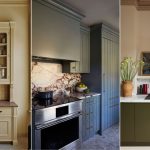
Soft, muted colors are key to creating a calming kitchen atmosphere. Pale greens evoke a sense of nature and tranquility, while gentle blues offer a serene, airy feel. Warm neutrals like creamy whites, soft grays, and subtle beiges provide a soothing backdrop, and can be layered with natural textures for added warmth. Even darker hues, like deep blues and greens, can be calming when used thoughtfully, particularly when paired with plenty of natural light and contrasting lighter elements. Consider the psychological impact of color and how you want your kitchen to feel when choosing your palette.
Layered lighting is key for kitchens in 2023, moving away from single, stark overhead fixtures. This trend embraces a mix of ambient, task, and accent lighting to create both functionality and atmosphere. Popular choices include under-cabinet lighting to illuminate work surfaces, pendants over islands or dining areas, and strategically placed spotlights to highlight architectural features or decorative elements. Warm metallic finishes, natural materials, and sculptural shapes are also gaining traction, adding a touch of personality and style to kitchen lighting designs.