"Broken-plan living" is gaining popularity as a design trend, offering a middle ground between open-plan layouts and completely separate rooms. This British-born style utilizes clever dividers like half walls, open shelving, or changes in flooring to create distinct zones within a larger space. This allows for both connection and privacy, catering to the evolving needs of modern families who desire flexibility in their homes. The broken-plan approach helps delineate spaces for specific activities such as working, relaxing, or dining, while maintaining a sense of openness and flow.
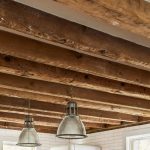
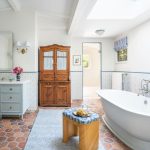
Dark wood furniture, particularly richly toned mahogany and walnut pieces, is predicted to make a comeback in 2025, adding a sense of warmth and sophistication to interiors. Alongside this, vintage lighting, such as Murano glass chandeliers and Art Deco-inspired sconces, will illuminate spaces with a touch of glamour. Chintz, often found in traditional English country houses, is also expected to rise in popularity, bringing its vibrant floral patterns and playful charm to contemporary homes. These trends, combined with a renewed interest in craftsmanship and heirloom-quality pieces, suggest a shift towards embracing timeless design elements and creating spaces that evoke a sense of history and character.
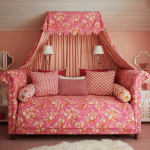
Floral upholstery is blooming again, bringing a fresh, nature-inspired touch to interiors. From large-scale botanical prints on sofas to delicate floral embroidery on accent chairs, this trend offers a versatile way to incorporate color and pattern. Whether you prefer a vintage chintz, a modern abstract floral, or a whimsical toile, there's a floral upholstery style to suit every taste. This resurgence embraces both bold, vibrant blooms and subtle, muted blossoms, allowing you to create a space that feels lively and inviting or calm and serene.
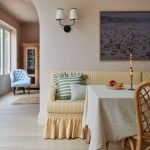
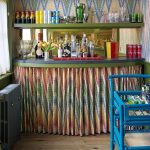
Skirted furniture, often associated with traditional or outdated styles, is experiencing a resurgence in popularity. This renewed interest stems from a desire for softer, more inviting spaces, and the versatility skirted pieces offer. From concealing storage solutions to adding a touch of romance or tailored elegance, skirted furniture can easily adapt to various design aesthetics. Modern iterations often feature updated fabrics, patterns, and silhouettes, allowing this classic style to seamlessly integrate into contemporary homes. The trend also speaks to a growing appreciation for handcrafted and personalized details, as custom-made skirts can be tailored to individual preferences and existing decor.
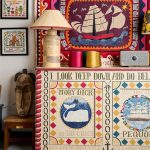
Folk decor embraces handcrafted items, natural materials, and vibrant, often mismatched, patterns. This style celebrates imperfection and personal expression, creating a warm and inviting atmosphere. Think embroidered textiles, painted furniture, woven baskets, and pottery with simple, nature-inspired motifs. It's a look that layers textures and colors, drawing inspiration from traditional crafts and folklore to tell a story within the home.
Sink skirts offer a charming, budget-friendly way to conceal under-sink clutter and pipes, while adding a touch of vintage charm or a pop of personality to a bathroom or kitchen. They can be easily DIYed with fabric, offering a customizable solution for any style, from ruffled and romantic to sleek and modern. This versatile design element provides a quick and relatively inexpensive update, instantly elevating the look of a vanity without a full remodel.
Skirted furniture, once reminiscent of outdated styles, is experiencing a resurgence in popularity. From sofas and beds to vanities and tables, the addition of a fabric skirt offers a softer, more romantic aesthetic to a space. This trend allows for creative customization, with a wide array of fabrics, patterns, and colors to choose from, enabling homeowners to easily update existing pieces or create a cohesive design scheme. The versatility of skirted furniture lends itself to various interior styles, from traditional to contemporary, making it a fresh and adaptable design choice.
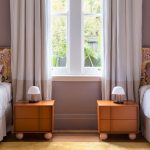
Lavender, with its spectrum of shades from pale lilac to deep violet, offers a versatile palette for creating a tranquil and sophisticated bedroom. Its inherent calming qualities make it ideal for promoting relaxation and sleep, while its diverse range allows for a variety of design approaches. Whether used as a subtle accent in soft furnishings or as a bold statement on walls, lavender can be incorporated into various decor styles, from classic to contemporary, adding a touch of elegance and serenity to the space. Experimenting with different textures and patterns within the lavender family can further enhance the overall aesthetic and create a truly personalized sanctuary.
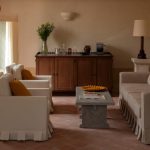
Warm neutrals, earthy tones, and nature-inspired hues are taking center stage, creating calming and inviting spaces. Textured walls, like limewash and roman clay, add depth and visual interest, while organic materials such as wood, stone, and rattan bring the outdoors in. Curves are softening lines in furniture and architectural details, offering a comforting contrast to the sleek minimalism of recent years. Sustainability is also key, with a focus on upcycled furniture, vintage finds, and natural, eco-friendly materials. These elements combine to create spaces that are both stylish and serene, promoting a sense of well-being and connection to nature.