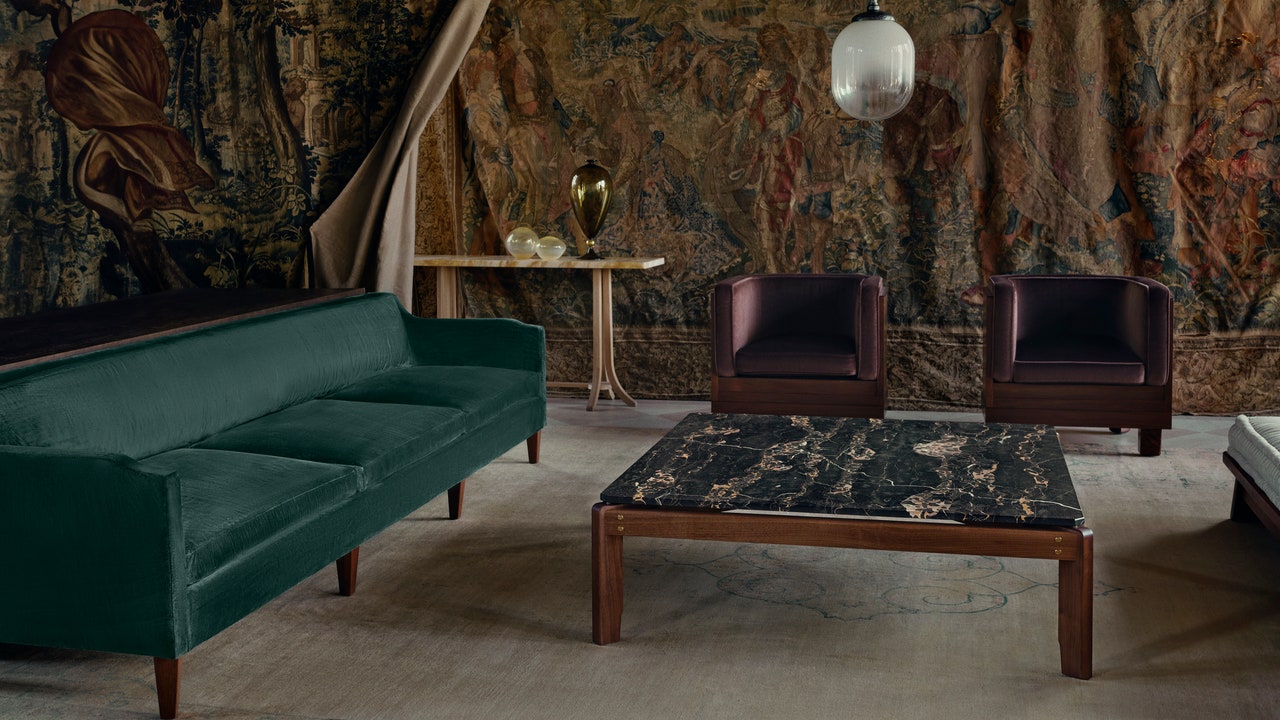
Warm neutrals, earthy tones, and nature-inspired hues are taking center stage, creating calming and inviting spaces. Textured walls, like limewash and roman clay, add depth and visual interest, while organic materials such as wood, stone, and rattan bring the outdoors in. Curves are softening lines in furniture and architectural details, offering a comforting contrast to the sleek minimalism of recent years. Sustainability is also key, with a focus on upcycled furniture, vintage finds, and natural, eco-friendly materials. These elements combine to create spaces that are both stylish and serene, promoting a sense of well-being and connection to nature.
Expect a fusion of technological advancements and nostalgic aesthetics in 2025's design landscape. AI-generated art will become increasingly sophisticated, offering personalized and unique design elements. Retro-futurism, blending vintage charm with futuristic elements, will be a prominent theme. Sustainability continues to drive design choices, with biophilic design and upcycled materials taking center stage. The metaverse's influence will also manifest in vibrant, escapist designs, while inclusive design practices will prioritize accessibility and diverse representation.
Warm woods, curvy shapes, and vintage-inspired pieces are predicted to take center stage in furniture trends leading up to 2025. Expect to see a rise in natural materials like walnut, cherry, and oak, often paired with textured fabrics such as bouclé and mohair. Rounded sofas, arched doorways, and sculptural furniture will continue to gain popularity, softening the hard lines of modern design. Additionally, the resurgence of antique and vintage furniture, or new pieces inspired by classic designs, will offer a sense of timeless elegance and sustainability.
Warm minimalism is on the rise, blending the clean lines of minimalism with inviting textures and cozy elements. Earthy palettes, natural materials like wood and stone, and handcrafted objects add personality and warmth to streamlined spaces. Curves are also making a comeback, softening the hard edges often found in minimalist design. Alongside this, statement lighting takes center stage, with sculptural and artistic pieces adding drama and becoming focal points within a room. Finally, a focus on sustainability is increasingly important, with designers and homeowners prioritizing eco-friendly materials, vintage and antique pieces, and locally sourced décor.
Warm, earthy tones are set to dominate interiors in 2025, moving away from cooler grays. Nature-inspired textures like wood, stone, and terracotta will be prominent, alongside curved furniture and architectural details that soften spaces. Sustainability remains a driving force, with upcycled furniture and eco-friendly materials gaining popularity. Smart home technology integrates seamlessly, enhancing functionality and convenience while maximizing energy efficiency. Finally, Japandi – a blend of Japanese minimalism and Scandinavian functionality – continues its rise, emphasizing clean lines, natural light, and a sense of calm.
Warm minimalism, characterized by natural materials and organic shapes, is predicted to be a significant furniture trend. Statement lighting, including sculptural and oversized pieces, will continue to play a key role, alongside a growing emphasis on sustainable and eco-friendly materials like bamboo and recycled plastics. Versatile, multi-functional furniture designed for smaller spaces is also gaining popularity, as is the resurgence of vintage and antique pieces that add character and a sense of history to a room. Textured fabrics, including bouclé, velvet, and corduroy, are expected to remain prominent, adding depth and tactile appeal to furniture designs. Finally, curved furniture with soft lines and rounded edges is anticipated to soften the hard lines of contemporary interiors.
Curves are back in a big way, softening the hard lines that have dominated interiors in recent years. From rounded sofas and armchairs to coffee tables with sculptural bases, embracing organic forms creates a more relaxed and inviting atmosphere. This trend also sees a resurgence of classic furniture styles like Art Deco and Mid-Century Modern, reimagined with contemporary fabrics and finishes. Alongside curved furniture, textured upholstery like bouclé, velvet, and corduroy add depth and tactile appeal, contributing to a sense of cozy luxury.
Warm neutrals, earthy tones, and textured finishes are dominating living room trends, creating cozy and inviting spaces. Layered lighting, from statement chandeliers to strategically placed floor lamps, adds depth and ambiance. Curves are making a comeback in furniture silhouettes, softening the overall aesthetic, while natural materials like wood, stone, and rattan continue to be popular choices. Multifunctional furniture is key for maximizing space, with modular sofas and ottomans with hidden storage offering practicality and style. Finally, personalized décor, showcasing individual style and cherished items, adds character and completes the look.