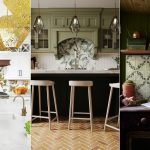
Tile murals are having a moment as kitchen backsplashes, offering a personalized and artistic alternative to standard subway tile. From intricate patterns and vibrant colors to bespoke scenic designs, these murals can become the focal point of the kitchen. They offer a way to introduce personality and tell a story, whether it's through a depiction of nature, abstract art, or a favorite family vacation photo. This trend embraces maximalism, showcasing artistry and injecting character into a frequently-used space.
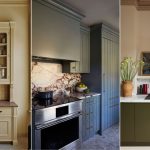
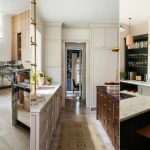
Soft, muted colors are key to creating a calming kitchen atmosphere. Pale greens evoke a sense of nature and tranquility, while gentle blues offer a serene, airy feel. Warm neutrals like creamy whites, soft grays, and subtle beiges provide a soothing backdrop, and can be layered with natural textures for added warmth. Even darker hues, like deep blues and greens, can be calming when used thoughtfully, particularly when paired with plenty of natural light and contrasting lighter elements. Consider the psychological impact of color and how you want your kitchen to feel when choosing your palette.
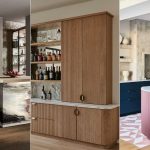
Fluted kitchen cabinets are experiencing a surge in popularity, adding a touch of elegant texture and timeless appeal to modern and traditional kitchens alike. The vertical grooves, reminiscent of classical columns, create a sense of depth and visual interest, elevating plain slab fronts. From subtle, narrow fluting to bolder, wider channels, this detail can be incorporated into a range of kitchen styles, working well with natural materials like wood and painted finishes in various colors. Whether used on all cabinetry or as an accent on an island or pantry, fluted details introduce a refined and sophisticated element to the heart of the home.
Certain interior design trends have demonstrated remarkable staying power over the past two decades. Neutral color palettes, particularly beige and gray, continue to be popular for their versatility and calming effect. Natural materials like wood and stone maintain their appeal, bringing an organic and textural element to spaces. The open-plan concept remains a sought-after layout, fostering a sense of spaciousness and connectivity. Similarly, minimalist design principles endure, promoting clean lines, clutter-free environments, and a focus on functionality. Finally, the incorporation of indoor plants, whether a few strategically placed pots or a dedicated living wall, continues to thrive, adding life and vibrancy to interiors.
Warm neutrals, earthy tones, and nature-inspired hues are taking center stage, creating calming and inviting spaces. Textured walls, like limewash and roman clay, add depth and visual interest, while organic materials such as wood, stone, and rattan bring the outdoors in. Curves are softening lines in furniture and architectural details, offering a comforting contrast to the sleek minimalism of recent years. Sustainability is also key, with a focus on upcycled furniture, vintage finds, and natural, eco-friendly materials. These elements combine to create spaces that are both stylish and serene, promoting a sense of well-being and connection to nature.
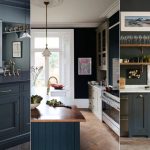
Dark blue kitchens retain their appeal, offering a sophisticated and adaptable backdrop for various design styles. While navy remains a popular choice, other shades like inky blues and petrol blues are gaining traction, offering a twist on the classic. This versatile color works well with a range of countertop materials, from warm wood to cool marble, and can be paired with metallic accents like brass or copper for added warmth and elegance. The ability to create both dramatic and calming atmospheres contributes to dark blue's enduring popularity in kitchen design.
Creating a cohesive kitchen design involves establishing a common thread that weaves through every element. This could be a particular color palette, a favored material like natural stone or warm wood, or a specific architectural style. Repeating these elements, whether subtly or boldly, throughout the backsplash, countertops, cabinetry hardware, and even decorative accents, creates a sense of harmony and intention. This considered approach results in a kitchen that feels unified and complete, rather than a disjointed collection of individual pieces.
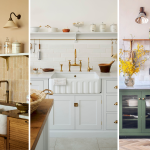
Open shelving, while once a popular choice, is falling out of favor with kitchen designers. Its tendency to collect dust and the pressure to maintain a perfectly styled display are cited as key drawbacks. Similarly, farmhouse sinks, though offering a charming aesthetic, are being reconsidered for their practicality issues, including chipping and difficulty cleaning. All-white kitchens, while offering a clean look, are now seen as lacking personality and warmth, with designers suggesting incorporating color and texture for a more dynamic and inviting space. Finally, the trend of matching pendant lights over kitchen islands is waning, with designers advocating for more unique and varied lighting choices to add character.
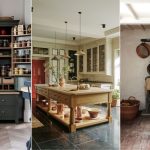
The traditional fitted kitchen, a staple in homes for decades, is facing a potential decline. A confluence of factors, including rising costs, changing lifestyles, and a desire for more individuality, are driving homeowners to explore alternative kitchen designs. Bespoke, unfitted kitchens, characterized by freestanding furniture and a more relaxed aesthetic, are gaining popularity. This shift reflects a broader trend towards adaptable, multi-functional living spaces that prioritize personality and evolving needs over the uniformity of pre-fabricated units.
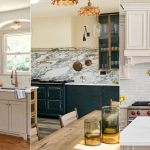
Tiled backsplashes remain a popular choice for kitchens, offering a durable, easy-to-clean surface that protects walls from splashes and stains. While the classic subway tile continues to be a timeless option, design trends are shifting towards larger format tiles, slab backsplashes, and incorporating interesting textures and patterns. Although some may view extensive tiling as dated, the versatility of tile allows for creative designs that can suit various kitchen styles, from traditional to contemporary. Ultimately, the enduring appeal of tiled backsplashes lies in their practicality and adaptability to evolving aesthetic preferences.