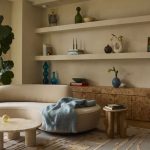
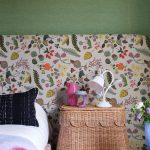
Interiors in 2025 are predicted to embrace a softer, warmer aesthetic. Think butter yellow hues, curvy furniture inspired by Stella McCartney's mushroom desk chair, and textured, "Mediterranean modernism" influenced by shows like "White Lotus." Ceilings, as seen in Kris Jenner's home, will become statement pieces, adorned with decorative paint or wallpaper. This shift moves away from the stark minimalism of recent years towards a more comforting and personalized space.
Adriana Hoyos' furniture designs blend sophistication and comfort, showcasing a global aesthetic inspired by her travels and Latin American heritage. Her collections feature handcrafted pieces with luxurious materials like exotic woods, rich leathers, and unique textiles, resulting in elegant and inviting spaces. From statement chairs and plush sofas to intricate dining tables, Hoyos' work emphasizes quality craftsmanship and timeless design, creating furniture that transcends trends.
Embrace a sense of playful whimsy and vibrant energy in your home decor with the latest Pinterest-approved trends. These playful interiors incorporate elements like checkerboard prints, colorful wavy mirrors, bold and saturated hues, and dopamine decor, creating a space that sparks joy and reflects individual personality. From nostalgic Y2K aesthetics to statement lighting and handcrafted details, these trends encourage creativity and self-expression, transforming homes into vibrant and personalized sanctuaries.
"Warm minimalism" is poised to be the defining design trend of 2025, moving away from the starkness often associated with minimalism. This evolving aesthetic embraces natural materials like wood and stone, incorporates handcrafted items, and prioritizes functionality. The focus is on creating calming, inviting spaces that feel lived-in and personal, incorporating sentimental objects and prioritizing comfort alongside clean lines and decluttered surfaces. The trend reflects a desire for serene, grounding environments in response to increasingly hectic and technology-driven lives.
Burl wood, with its distinctive swirling grain patterns and rich, warm tones, is experiencing a resurgence in popularity within interior design. Often incorporated as a veneer on furniture, cabinetry, and decorative objects, burl wood adds a touch of organic luxury and visual interest to a space. Its unique, eye-catching texture brings a sense of natural beauty indoors and can elevate a room with its luxurious appeal. From coffee tables and consoles to decorative bowls and wall art, burl wood's versatile nature allows it to be incorporated into various design styles, adding a sophisticated touch to both modern and traditional interiors.
Homebuyers in 2025 are prioritizing future-proof designs focused on sustainability, flexibility, and well-being. This translates to features like solar panels and rainwater harvesting, adaptable spaces that can change with family needs, and a focus on natural light and ventilation. Smart home technology integration, multi-generational living considerations, and outdoor entertaining areas are also highly sought after. Durable, low-maintenance materials are favored, alongside connection to nature and a focus on creating calming, sanctuary-like spaces within the home.
Several key trends are predicted to divide interior designers in 2025. Maximalism, with its layered patterns and bold colors, is experiencing a resurgence, clashing with the enduring popularity of minimalist and Japandi styles. Sustainability remains a focal point, but the embrace of biophilic design and natural materials contrasts with the rise of 'dark deco', a moodier, more opulent aesthetic. Smart home technology continues its integration into interiors, sparking debate about its impact on aesthetics and privacy. Finally, traditional craftsmanship and bespoke pieces are vying for attention alongside the affordability and accessibility of mass-produced furniture.
Spring 2025 decor trends are embracing a renewed sense of vibrancy and optimism. Warm colors like apricot, terracotta, and ochre are taking center stage, alongside nature-inspired hues of greens and blues. Tactile textures, from bouclé and linen to chunky knits and rattan, add layers of interest and comfort. Decorative lighting plays a key role, with sculptural forms and ambient glows creating a welcoming atmosphere. Sustainability remains a focus, with natural materials and handcrafted pieces adding character and reducing environmental impact. Overall, the aesthetic is a blend of playful energy, comforting warmth, and conscious design.
The future of office design is focused on adaptability, sustainability, and employee well-being. Modular furniture and flexible layouts will allow for easy reconfiguration of spaces to accommodate changing needs, while biophilic design elements, incorporating natural light and greenery, will create calming and productive environments. Technology integration, including smart sensors and booking systems, will streamline operations and enhance the employee experience. Wellness initiatives, such as designated quiet zones and fitness areas, will prioritize employee health and well-being, contributing to a more positive and productive work environment. These trends aim to create a hybrid-friendly, collaborative, and engaging workspace that caters to the evolving needs of the modern workforce.
Patterned flooring is having a major moment, bringing personality and interest to kitchen designs. From bold geometric tiles to intricate mosaics and playful terrazzo, these eye-catching floors create a statement. Wood-look porcelain tiles offer the warmth of timber with the durability needed for a kitchen, while classic stone and elegant marble continue to be popular choices, offering timeless appeal and a luxurious feel. For practical, budget-friendly options, luxury vinyl tiles and sheet vinyl provide waterproof and easy-to-clean surfaces in a wide array of styles.